- Sun Temple, Gwalior
- Pandupol Hanuman Temple
- Kochi in Monsoon
- Tranquebar Beach vs Mahabalipuram
- Rajasthani Folk Dance
- Onam Sadya
- Places to Visit near Delhi in Monsoon
- Rajput Architecture
- Summer Vacation Places in Tamil Nadu
- Places to Visit near Bhimtal
- Bhangarh Fort, Alwar
- Dolphin Nose Viewpoint, Coonoor
- Offbeat South India Tourist Places
- Trekking in Nainital
- Holi in Punjab
- Neem Karoli Baba Temple
- New Year Celebration in Alwar
- January Events in Goa
- Best Tourist Spot in Tamil Nadu
- New Year in Kerala
- Shopping in Kochi
- New Year Celebration in Rajasthan
- Christmas in Goa
- Trip from Delhi to Alwar
- New Year Celebration in Goa
- History of Maratha Empire
- New Year in Kochi
- Places of Interest in Gwalior
- Bala Quila, Alwar
- Jet Ski in Goa
- Paradesi Synagogue, Kochi
- Explore Gwalior Fort
- Visiting the Vast History: Kochi Mattancherry Palace
- Heritage Wedding in Rajasthan
- Tourist Attractions in Gwalior
- Hotel in Tijara
- Cabo De Rama Beach
- Matsya Festival
- Trip from Bangalore to Goa
- Tourist Attractions in Patiala You Shouldn't Miss
- Jagannath Mela in Alwar
- Waterfalls in Goa
- Ideal Places for a Short Trip near Delhi
- Hidden Gems in Rajasthan
- Delhi to Sariska National Park: Trip Guide
- Traveller’s Guide to Goa Carnival
- Weekend Trip from Gurgaon
- Trip to Rajasthan with Family
- Delhi to Rishikesh to Nainital
- Delhi to Patiala Tour Guide
- New Year Celebration Near Delhi NCR
- Christmas Celebration in Tijara Fort Palace, Alwar, Rajasthan
- Nainital in the Winter Season
- Sunburn Goa 2024
- Trip to Alwar
- Water Sports in South Goa
- New Year Eve Party in South Goa
- Moosi Maharani Ki Chhatri
- Siliserh Lake
- Must try dishes in Rajasthan
- Best Places to Visit around Jaipur
- Solo Trip to Rajasthan
- Sariska National Park
- Places to visit in Rajasthan in December
- Staycation Near Delhi NCR
- Best Holiday Destinations Near Delhi
- Best Resorts Near Delhi for Family
- Vacations near Delhi
- Goa in Summer Season
- Naina Devi Temple, Nainital
- Best Time to Visit Rishikesh
- Tijara Ji Jain Temple
- Must Visit Historical Sites in South Goa
- Local Food in South Goa
- Traditional Festivals of Rajasthan
- Naina Peak Trek
- Fatehpur Shekhawati
- Activities in Nainital
- Local Food in Tranquebar
- Alwar Famous Food
- Offbeat Places in Nainital
- Offbeat Places in South Goa
- Offbeat Places in Rajasthan
- History of Tharangambadi
- Best time to visit Nainital
- Best Beaches in South Goa
- History of Shekhawati
- The Best Beaches in Tamil Nadu
- Places to Visit in Shekhawati
- New Year Celebration in Nainital
- Weekend Trip in Tamil Nadu
- New Year in Goa
- Nainital Itinerary for 2 Days
- The Best Places to Visit in Patiala
- Places to Visit in Tharangambadi
- South Goa Itinerary for 3 Days
- Tourist Attractions in Alwar
- Kochi 2-day Itinerary
- Things to Do in South Goa
- Places to Visit in Gwalior
- Weekend Getaway from Jaipur
- Best Places to Visit in Alwar
- Best Time to Visit Alwar
- Places to Visit in Alwar
- Best Time to Visit Gwalior
- Literary Connections of Ramgarh: Tagore and Mahadevi Verma
- Exploring the Festivals of Alwar
- Everything You Need to Know About Betul, Goa
- Things to Do in Kochi at Night
- Uttarakhand Itinerary for 7 Days
- Best Time to Visit Kochi
- Visit The Mesmerising Hill Stations in South India
- The Best Places to Visit Near Nainital
- A Weekend Getaway to Ramgarh: Travel Guide
- Explore The Magical Cochin Backwaters
- The Majestic Coonoor to Ooty Toy Train
- The Best Vacation Spots Near Chennai
- Must Visit Places in Kerala
- Destination Wedding in Rajasthan
- Exploring the Orchards in Ramgarh
- Explore the Museums of Tranquebar
- Masilamani Nathar Temple, Tharangambadi
- Things to Do in Kesroli
- Best Places to Visit in South India in January
- Exploring the Tamil Nadu Coastline
- Places to Visit in Gwalior at Night
- Places to visit in Rajasthan in Winter
- Unexplored Treasures of Uttarakhand
- A Visit to Mangalavanam Bird Sanctuary
- Royal Rajasthani Weddings
- Rajasthan Itinerary for 7 days
- Into the Wilderness of Rajasthan’s National Parks
- Explore the Historic Town of Neemrana, Rajasthan
- Enchanting Lakes of Nainital
- A Dive Into the Royal History of Alwar
- Trails and Treks near Nainital
- The Seven Most Frequented Places in Rishikesh
- Kochi: The Queen of the Arabian Sea
- Fairy Queen: The Oldest Working Steam Locomotive
- Forts and Palaces of Alwar
- The Unparalleled Art and Culture of Madhya Pradesh
- Beaches in Kochi
- A Spiritual Journey to the Temples in Alwar
- Handicrafts of Rajasthan
- Places to Eat Street Food in Gwalior
- Wellness Retreats in Rishikesh
- The Danish History of Tranquebar
- Of Mystical Spaces and Hidden Treasures
- Rehabilitating Our Roots in Ruins... A Meet with Mr Aman Nath
- Our Annual Getaway to the Ramgarh Bungalows
- Experience Gwalior The Royal Way With Deo Bagh
- Living it up at a 14th Century Fort
- The Best of Both Worlds - Delhi and Jaipur
- Alwar City - Attractions
- Gwalior - The Tourist Capital
- Drivable Weekend Getaway from Delhi-NCR
- Hiking and Trekking Trails near Jaipur
- Safe Weekend Getaway from Delhi
- Trek Trails from Rishikesh
- Things to do Around Tranquebar Fort
- Majestic Temples of Gwalior
- Tea Plantations of Coonoor
- Fort Stay in Alwar
- Best Places to Visit in Tamil Nadu
- Shopping in Gwalior
- The Chinese Fishing Nets of Kochi
- Exotic Swimming Experiences near Delhi
- Ketty Valley, The Second Largest Gorge in the World
Sun Temple Gwalior is located in Morar, on the eastern side of the city, completed in 1988 and shaped after the 13th-century Sun Temple at Konark in Odisha. The Birla family funded the work, which is why much of Gwalior calls it Surya Mandir: an entirely different name.
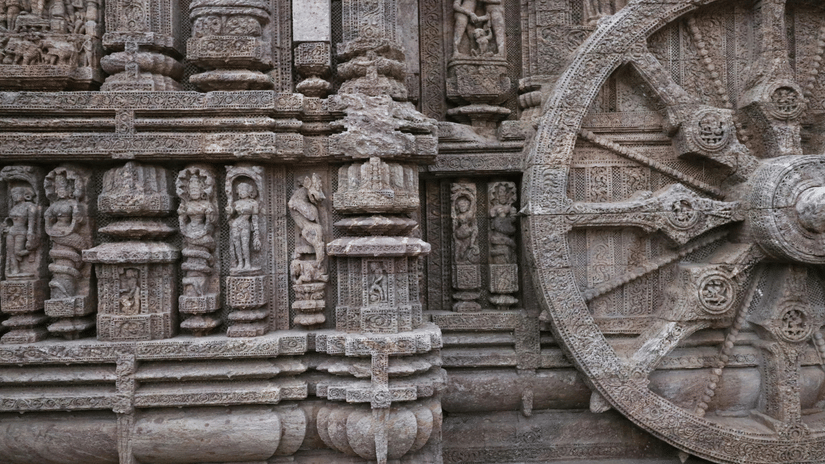
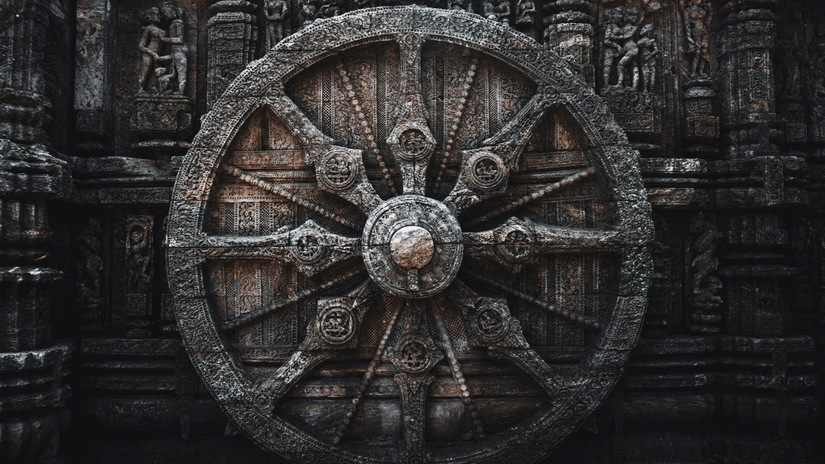
The temple keeps its own raised ground, set back from the road behind a garden that carried a different name before the shrine arrived. Wheels run the length of its plinth and horses stand harnessed at the front, so the building reads as a chariot from the gate onward.
Why Surya Mandir, Gwalior, Goes by Another Name
The shrine is dedicated to Surya, the sun god, and Surya Mandir, Gwalior, is the formal name that dedication gives it. Priests perform aarti here morning and evening, and the temple has stayed in active worship since the day it opened.
Most auto drivers in the city know it as Birla Mandir Gwalior. Donors' names have a way of settling onto the buildings they pay for, and both names now get you to the same gate near the Residency at Morar.
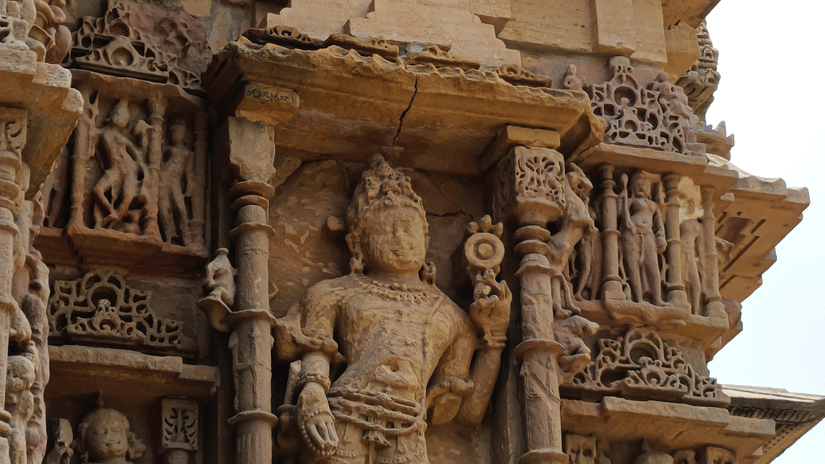
Sun Temple (Gwalior) History: 4 Years from Stone to Shrine
Sun Temple Gwalior history runs shorter than almost anything else you will see in the city. The foundation stone went down in 1984, on a plot of public land then known as Tapovan Garden, and the completed temple opened 4 years later in 1988.
Gwalior Fort has held its hill since the 6th century, when Suraj Sen is said to have laid its earliest foundation. Set against 1,400 years of that, a shrine from 1988 is the newest thing on the city's heritage map, and it wears that newness openly in stone that has barely begun to weather. The garden survived the change and took a new name with it, and Surya Van still wraps the shrine in green on every side.
The Konark Chariot Rebuilt in Red Sandstone
Red sandstone covers the temple outside, and the sculptures within are carved in white marble. That change of stone at the threshold is the clearest signal the building gives that you have moved from the outer structure into the sanctum.
The original at Konark stands on the Odisha coast, built in the 13th century and listed by UNESCO as a World Heritage Site. It represents the sun god's chariot with 24 wheels drawn by seven horses, a form the Gwalior temple reproduces closely enough that the resemblance registers before you know the reference.
Konark's temple stands today as a monument under conservation. Gwalior's version is in daily use, with priests, aarti, and worshippers moving through it, and the same architecture feels different underfoot.
Sun Temple (Gwalior) Timings, Entry, and Photography Rules
Sun Temple Gwalior timings run in 2 windows, and each half of the day has its own character. Mornings build steadily toward the aarti crowd. Afternoons run quieter, and the sandstone deepens in colour as the light drops toward closing.
Timings: 6:30 AM - 12:00 PM and 1:00 PM - 6:00 PM, daily
Entry Fee: Free
Aarti: Priests perform aarti morning and evening, and the evening timing is worth confirming on arrival, as reported times vary.
Phones and Cameras: Phones are deposited at a counter before you enter, and photography of the exterior is permitted.
Aim for the first hour after opening, when the sanctum is at its quietest and the sandstone outside has not yet gone harsh in the light.
How to Reach the Sun Temple in Gwalior
The temple sits near the Residency in Morar, approximately 5 km east of Gwalior Junction railway station. Autos and cabs run the route all day, and drivers answer to either name for it.
Morar lies on the opposite side of the city from Gwalior Fort, which makes this a natural first or last stop on a day out. Parking sits close to the gate, so the only climb is up the temple's own platform.
Travellers giving the city a full day usually pair this stop with other places to visit in Gwalior, slotting the temple in between the fort and the palace as the shortest visit of the three.
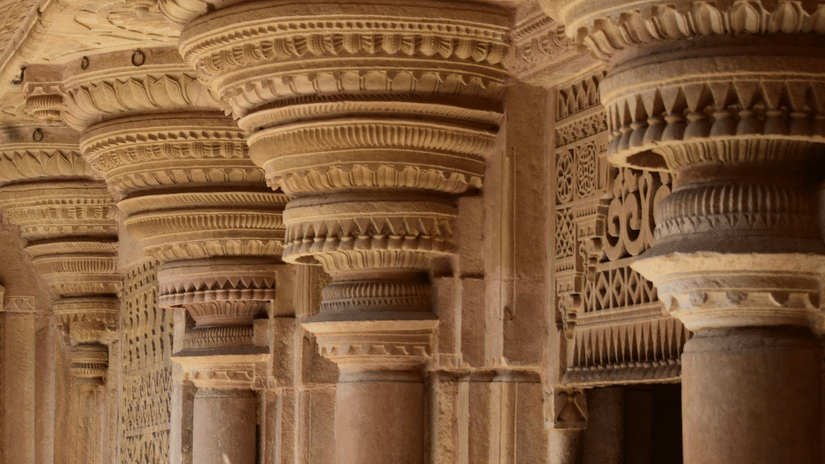
Deo Bagh: A Heritage Retreat for Sun Temple, Gwalior
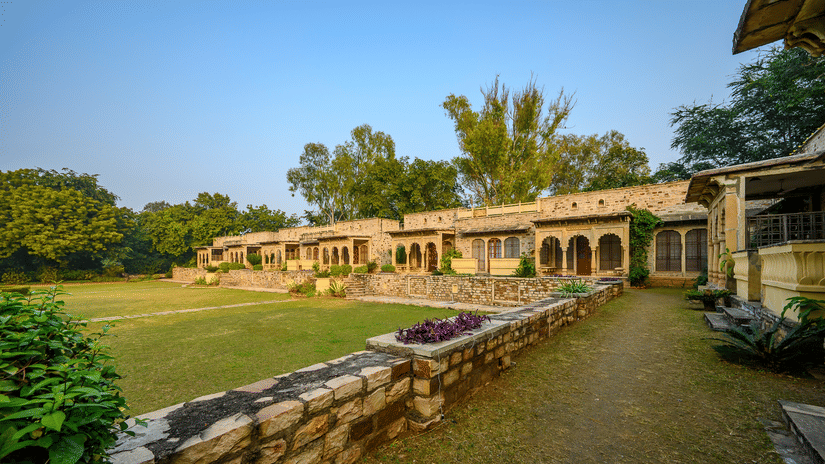
A visit to Sun Temple Gwalior often leads across the city, and that journey ends quietly at Deo Bagh. Our 17th-century heritage retreat stands within Nau Bagh, a historic garden first laid out as a Mughal char bagh in the late 1500s. Emperors once camped here, Maratha nobles later left their mark, and today the old gardens still shape the property much as they did centuries ago.
The Sun Temple sits in Morar while Gwalior Fort rises on the opposite side of the city, placing Deo Bagh naturally between the two. Spend the morning at the temple, explore the fort through the afternoon, then return to old stone buildings, shaded gardens, and an evening that slows the day down.
Wake Up to Peacocks Outside Your Door
The gardens stretch across 35,000 sq. ft., and the peacocks treat them as their own. Step outside in the morning, and you may find one wandering past your sit-out, entirely unbothered by the company.
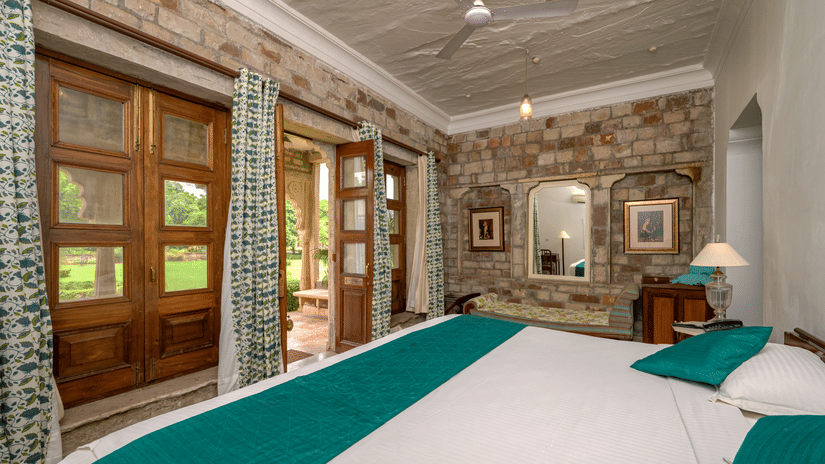
All 15 heritage rooms in Gwalior overlook these gardens. The four rooms on the first floor open onto private balconies, where lush green lawns, its 17th-century wings, and the historic Chhattis Dari unfold in a single sweeping view. They are the kind of places where afternoons drift by unnoticed—a book resting in your hands, birds gliding across the gardens below, and sunlight slowly tracing its way across its centuries-old arches from the Maratha era.
Taste Gwalior Through Our Kitchen
Local Bhopali cuisine is the heart of the culinary experience at Deo Bagh, where closely guarded regional recipes are prepared by Neemrana's local chefs alongside familiar continental classics.
On selected days, the kitchen rekindles a traditional chulha for an interactive cooking experience. As meals simmer over an open fire, age-old techniques and fragrant spices bring to life the flavours that defined the home kitchens of Madhya Pradesh long before modern stoves became commonplace.
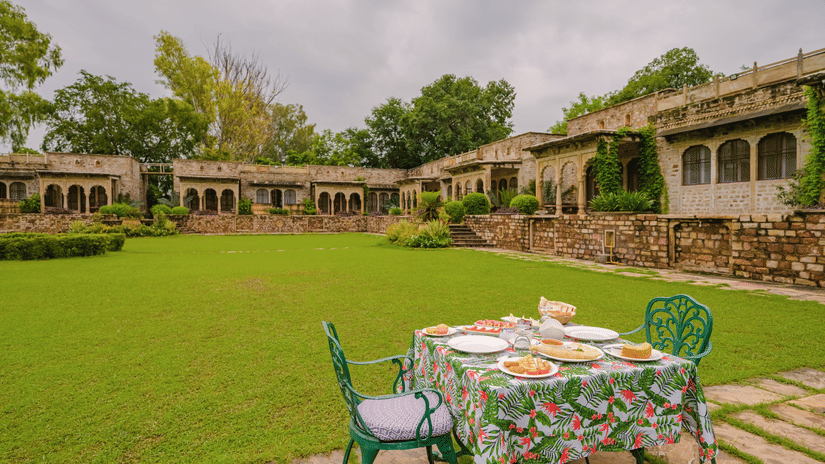
Explore the Stories Hidden in the Gardens
The gardens offer far more than shaded paths and old trees. Join a guided walk to uncover two Maratha temples, the centuries old Chhattis Dari, and the hathi khana. Along the way, you'll notice intricate carvings and hear stories related to the property's rich history.
The dense canopy of flora transforms into a birdwatching expedition. Afterwards, settle into the recreation lounge for a leisurely game of chess or carrom, wander onto the lawns for a round of badminton, or borrow a bicycle and discover corners of the property you have yet to explore.
Sun Temple, Gwalior, may borrow its form from Konark, but it has settled into the city as a living place of worship with a character of its own. An hour is enough to admire its chariot-shaped architecture, attend the aarti, and walk its peaceful grounds, leaving plenty of time to explore Gwalior Fort, Jai Vilas Palace, and the rest of the city's heritage. Stay at Deo Bagh to experience these landmarks at an unhurried pace, returning each evening to centuries-old gardens and a quieter side of Gwalior that lingers long after the sightseeing ends.
FAQs
What are the Sun Temple Gwalior timings?
Sun Temple in Gwalior is open daily from 6:30 AM to 12:00 PM and from 1:00 PM to 6:00 PM, with morning and evening aarti held every day.
Why is the Sun Temple in Gwalior also called Birla Mandir?
The temple is commonly called Birla Mandir because it was funded by the Birla family, although its official name is Surya Mandir, dedicated to the sun god Surya.
When was the Sun Temple in Gwalior built?
Construction of the Sun Temple, Gwalior, began in 1984, and the temple was completed and opened to devotees in 1988.
Is photography allowed inside the Sun Temple in Gwalior?
No, photography is not permitted inside the temple, and visitors must deposit their phones before entering, though exterior photography is allowed.
Is there an entry fee at the Sun Temple, Gwalior?
No, entry to the temple is free for all visitors.
Which temple inspired the design of the Sun Temple in Gwalior?
The Sun Temple in Gwalior is modelled on the 13th-century Konark Sun Temple in Odisha, reproducing its iconic chariot-shaped design.
How far is the Sun Temple, Gwalior, from Gwalior Junction railway station?
The Sun Temple in Gwalior is approximately 5 km from Gwalior Junction railway station and can be reached easily by auto-rickshaw or taxi.
Where can I stay near the Sun Temple, Gwalior?
Deo Bagh is a 17th-century heritage retreat near the Sun Temple in Gwalior, offering heritage rooms, historic gardens, local cuisine, and easy access to the city's major attractions.