Historical Background of Bhangarh Fort, Rajasthan
The story of Bhangarh Fort in Rajasthan dates back to the 17th century. The town of Bhangarh was established by Raja Madho Singh, the younger brother of the Mughal general Raja Man Singh I of Amber. During this period, the region developed into a thriving settlement surrounded by the Aravalli Hills.
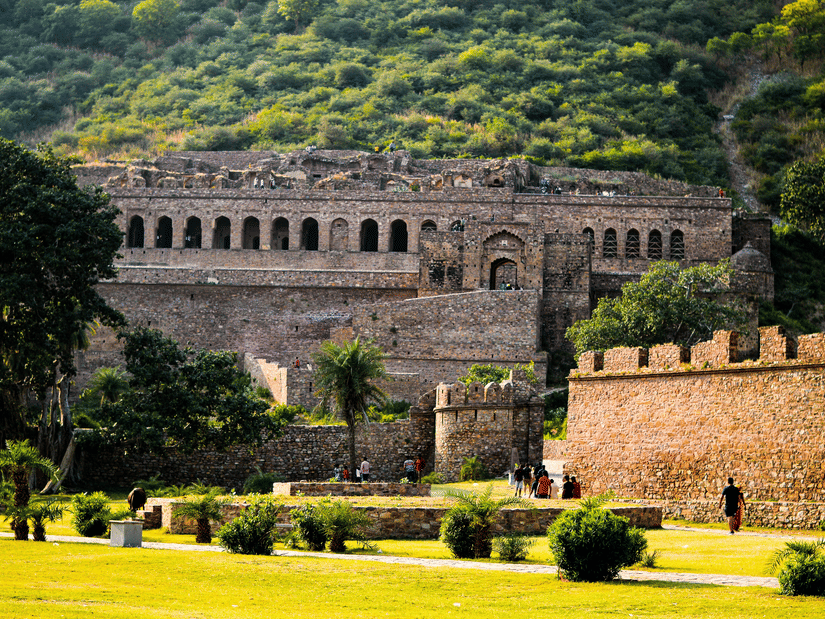
Historical records indicate that Bhangarh once functioned as a prosperous town with residential quarters, temples, markets, and royal structures. The fort complex was designed with several gateways, wide streets and fortified boundaries that protected the settlement. Within the walls stood temples, palaces and administrative buildings that supported the town’s activity.
Over time, the settlement declined, and the structures fell into ruin. Today, the remains of the old town stand as an archaeological site protected by the Archaeological Survey of India. The ruins offer a glimpse into the architectural layout of a historic Rajput settlement and provide insight into the region’s past.
Folklore of Bhangarh Fort
Countless tales of curses and mysterious happenings surround Bhangarh Fort. History doesn’t explain why it is considered one of India’s most haunted places, leaving much of its eerie reputation to folklore.
The Legend of Baba Bala Nath: One of the most commonly told legends involves a hermit named Baba Bala Nath, who lived in the area before the town of Bhangarh was established. According to local accounts, the sage allowed the settlement to be built on one condition. None of the buildings was to rise high enough to cast a shadow over his dwelling.
The story states that this rule was eventually broken when one of the palace structures was built higher than permitted. When its shadow reached the sage’s dwelling, he pronounced a curse that led to the downfall of the town. Over time, Bhangarh was abandoned, leaving behind the ruins that remain today.
The Story of Princess Ratnavati and the Tantrik: Another well-known legend centres around Princess Ratnavati, who is believed to have lived in Bhangarh and was known for her beauty. The story tells of a tantrik named Singhia who fell in love with her. When he realised that he could not win her affection, he attempted to enchant a bottle of perfume she was meant to use.
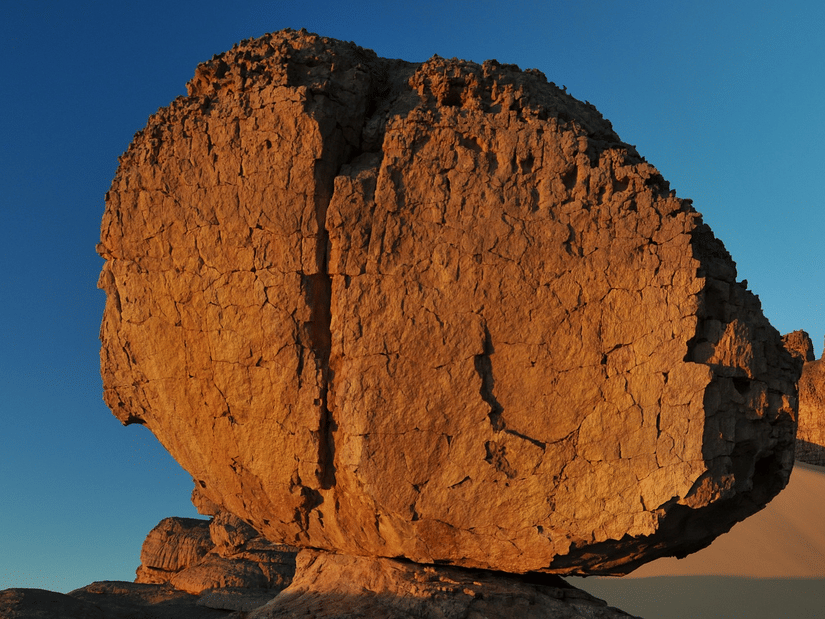
According to the legend, the princess discovered the plan and threw the bottle onto a boulder, which crushed the tantrik beneath it. Before dying, he is believed to have cursed the town. In time, the settlement was destroyed, and its people were said to have perished, leaving Bhangarh deserted.
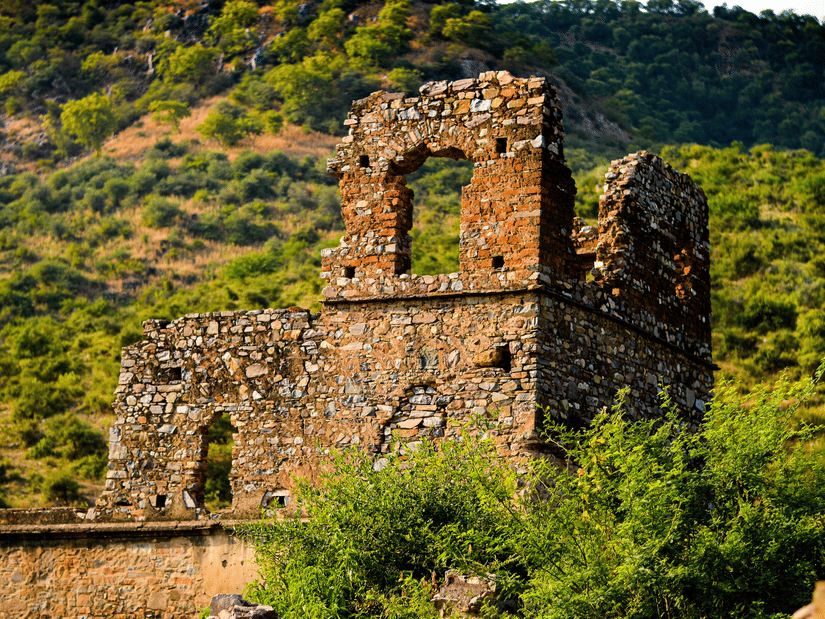
Key Ruins in Bhangarh Fort, Rajasthan
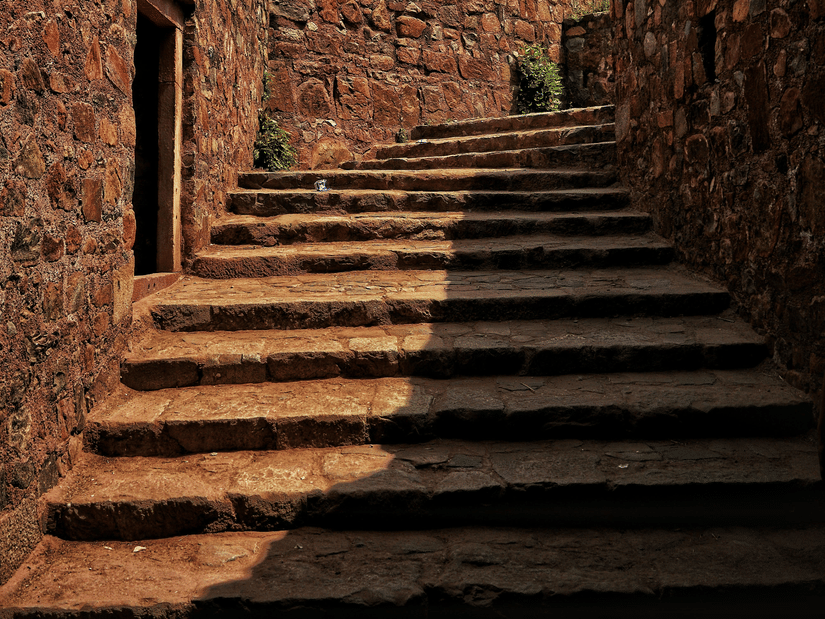
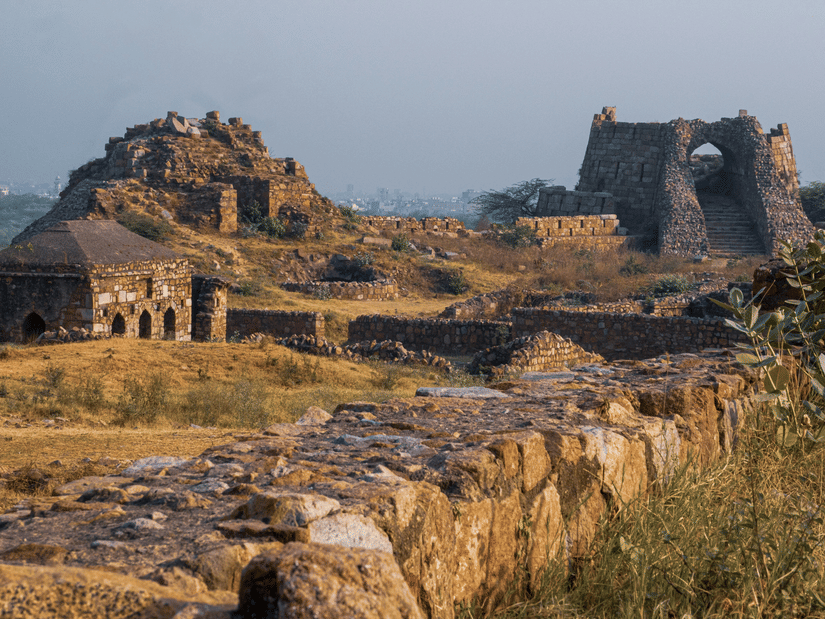
Despite the ruins, the layout of Bhangarh still reveals how the town was once organised. Walking through the complex allows visitors to see the remains of important structures that formed part of the settlement.
Some of the notable areas inside the fort include:
- Ancient Bazaar Street: As visitors enter the fort, they pass through rows of roofless structures that once formed the town’s marketplace. These ruins represent the commercial section of the settlement.
- Fort Gates and Defensive Structures: Bhangarh Fort is accessed through a series of gateways that once formed part of its defensive layout.
- The Royal Palace Ruins: The remains of the palace stand at the end of the settlement and are among the largest structures within the fort complex. Though partially collapsed, the multi-level layout gives an idea of the scale of the former residence.
- Temple Complexes: Several temples remain within the fort walls. The Gopinath Temple, Someshwar Temple and Mangla Devi Temple are among the well-known shrines that still stand in the area.

Practical Tips for Visiting the Fort
As you explore the site, you will be walking across uneven terrain and through wide stretches of ruins. Planning ahead can make your visit more comfortable and enjoyable.
- Timing: The fort is open to visitors from 9:00 AM to 5:00 PM.
- Entry Fee: Entry is permitted at Rs. 20 for Indian visitors and Rs. 250 for foreign tourists.
- Things to Carry: Drinking water, light cotton cloths, hiking shoes, sunscreen, sunglasses, and a head covering for sun protection
- Best Time to Visit: The cooler months from October to March are generally considered the most comfortable time to explore the ruins.
How to Reach Bhangarh Fort
- The fort is located in the Alwar district of Rajasthan.
- It is approximately 91 km from Alwar city centre, and the journey by road typically takes around 2 hours, depending on traffic and route.
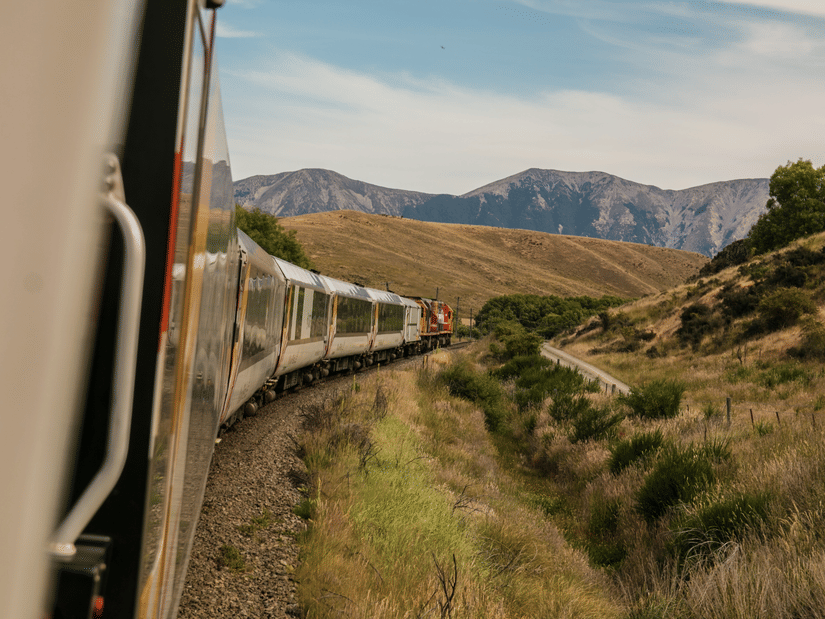
- Travellers arriving by train can reach Dausa Railway Junction, which is well connected to cities such as Delhi and Jaipur.
- From Dausa, taxis and local buses are available to reach Bhangarh Fort.
- The drive from Dausa to Bhangarh takes around 30 to 45 minutes.
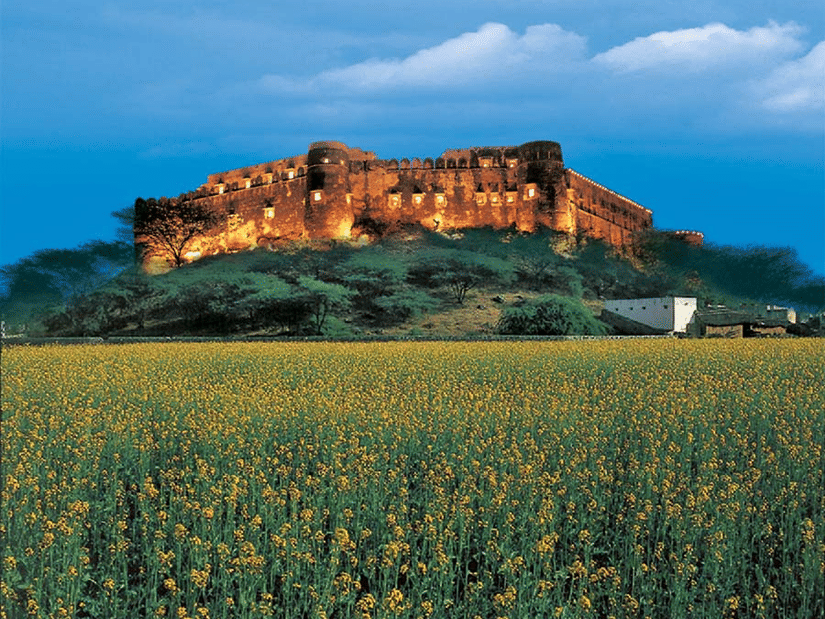
Hill Fort-Kesroli: A Heritage Stay for Those Exploring Alwar’s Historic Landscapes
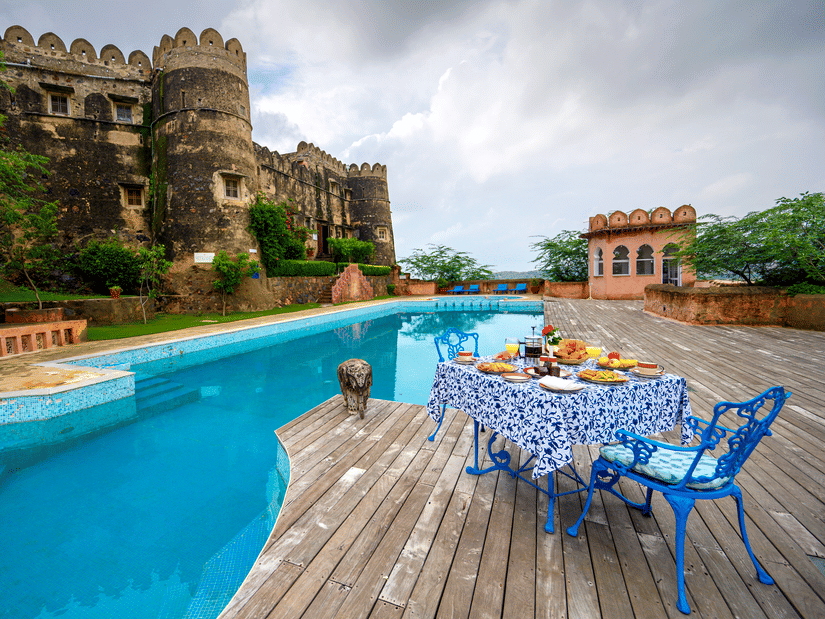
For travellers keen to complete their Rajasthan travel circuit of historic treasures, the 14th-century Hill Fort-Kesroli, around 91 km from Bhangarh Fort, Alwar, offers a distinctive heritage stay, nestled amidst the lush green landscapes of Alwar.
Experience Rajasthan's timeless forts, palaces, and culture while enjoying comfort and authentic heritage hospitality.
Why Stay at Hill Fort-Kesroli
- A 700-year-old historic fort property reflecting the rich history and heritage of Alwar's Naruka-Kachhwaha dynasty.
- 39 unique rooms adorned with vintage artefacts and period furniture handcrafted by the local artisans, reflecting the art and culture of the region.
- 360-degree vistas of the 2-billion-year-old Aravallis and the endless stretch of the lush green countryside
- A huge terrace swimming pool with a sundeck and an Ayurvedic spa to rejuvenate
- Local and international cuisines prepared with fresh ingredients sourced from the Fort's own kitchen garden.
- Located about 10 km from Alwar city centre, making it a convenient base for exploring the region