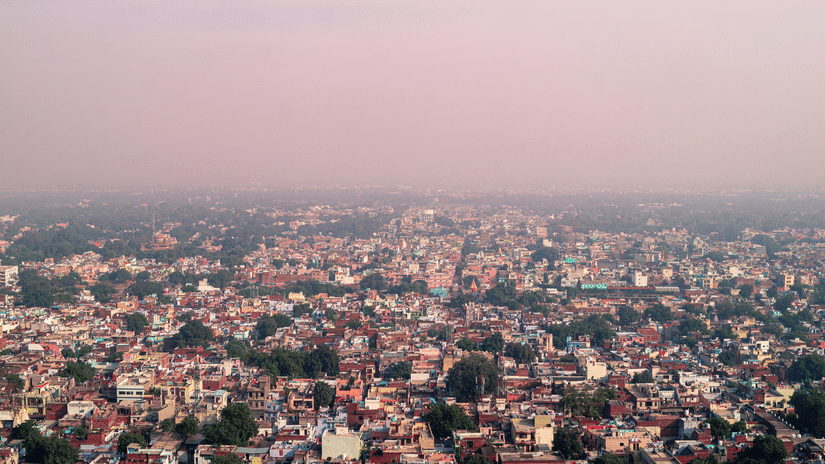
Gwalior rests in the Chambal region of northern Madhya Pradesh, where the climate does not drift gently from one season to another. It arrives in clear, decisive shifts. No soft spring, no lingering autumn. Just 3 distinct moods of the year, each stepping in like a different vintage uncorked without ceremony.
Summer runs from March to June, dry and full-bodied, heat rising from stone and earth like something aged too long in still air. Then the monsoon takes over from July to September, sudden and generous, pouring life back into the land until everything feels rinsed, revived, almost reborn.
Winter follows from October to March, calm and unhurried. Light turns softer, mornings grow quieter, and the city settles into a slower rhythm. Festivals flicker through this cool stretch, while the landscape holds a quiet clarity, like a final sip that lingers longer than expected.
Summer runs from March to June, dry and full-bodied, heat rising from stone and earth like something aged too long in still air. Then the monsoon takes over from July to September, sudden and generous, pouring life back into the land until everything feels rinsed, revived, almost reborn.
Winter follows from October to March, calm and unhurried. Light turns softer, mornings grow quieter, and the city settles into a slower rhythm. Festivals flicker through this cool stretch, while the landscape holds a quiet clarity, like a final sip that lingers longer than expected.
The Peak Window: December and January
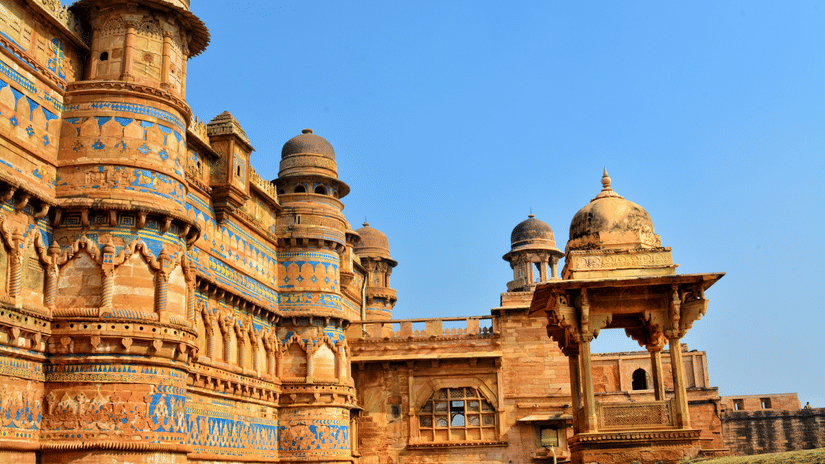
December and January are the peak months for visiting Gwalior. Temperatures sit between 8°C and 23°C, the skies are consistently clear, and the famous Gwalior Fort is at its most comfortable to explore on foot.
The narrow lanes inside the fort complex, the views from the ramparts, and the long climb to the upper precincts all become significantly more enjoyable when you are not contending with heat or humidity. This is also when the Tansen Samaroh takes place, usually in December, bringing classical musicians from across India to the grounds near Tansen's Tomb.
The Quieter Shoulder Months: October, November, and February
October and November are the months that most experienced travellers to central India quietly prefer. The monsoon has retreated, the vegetation is still green from the rains, and the crowds are thinner than they will be in December and January.
February and early March are also reliable. The weather is warming, but has not yet crossed into uncomfortable territory. Gardens are still in bloom, and the post-winter clarity of the skies makes for good photography around the tourist places.
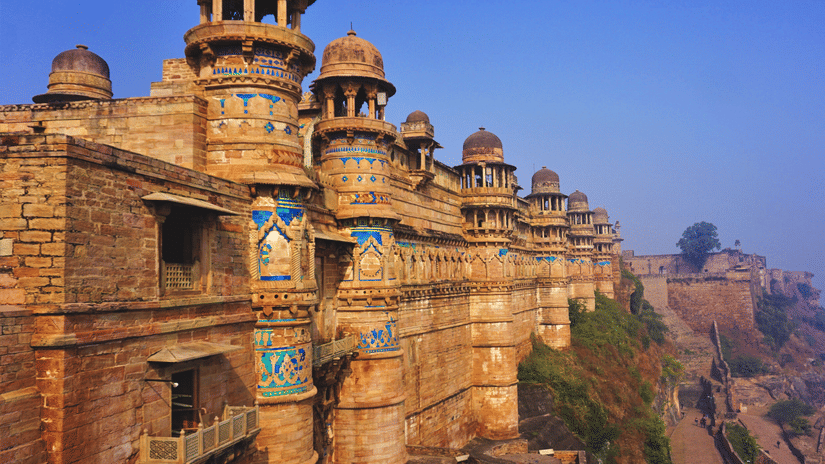
Summer in Gwalior (April to June)
This is the most demanding season for visitors. Temperatures in summer in Gwalior regularly reach 40°C to 43°C between April and June. The heat is dry rather than humid, which makes it easier to manage, but no less intense at midday.
Gwalior weather in June sits at average highs of 41°C with rising humidity as pre-monsoon conditions set in, making it the most uncomfortable month of the year for outdoor sightseeing. If you are visiting in summer, front-load your sightseeing. The Gwalior Fort, ideally explored for 3 to 4 hours, is manageable between 7:00 AM and 10:00 AM.
Where to Retreat from the Summer Heat
After 11:00 AM, shift to indoor attractions. The Jai Vilas Palace museum, with its cool marble interiors and the famous model railway dining set, is a good choice. The Gujari Mahal Archaeological Museum inside the fort complex also offers shade and substance.
After 11:00 AM, shift to indoor attractions. The Jai Vilas Palace museum, with its cool marble interiors and the famous model railway dining set, is a good choice. The Gujari Mahal Archaeological Museum inside the fort complex also offers shade and substance.
Monsoon in Gwalior (July to September)
The arrival of the monsoon in Gwalior usually happens in late June or early July. The city's landscape changes within days. The dry rocky plateau on which Gwalior Fort sits turns green, gardens fill out, and the heat breaks sharply. July and August are the wettest months, averaging 267 mm and 289 mm of rainfall, respectively. Rain typically comes in bursts rather than all-day downpours, which means that most days offer usable outdoor windows.
Winter in Gwalior (October to March)
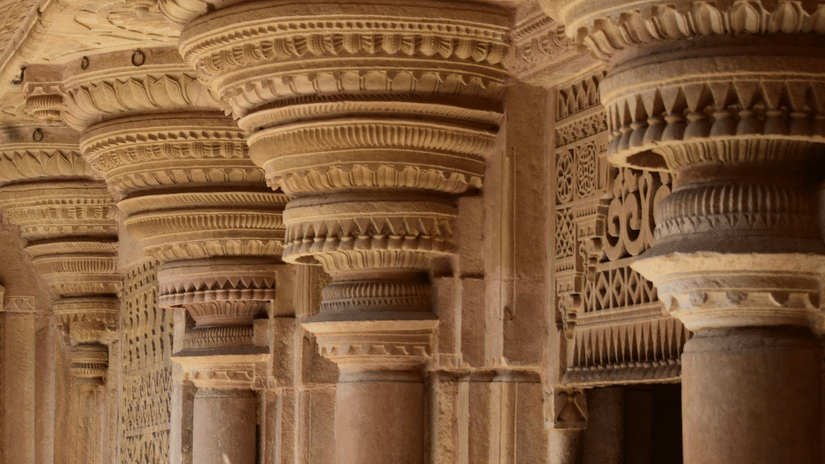
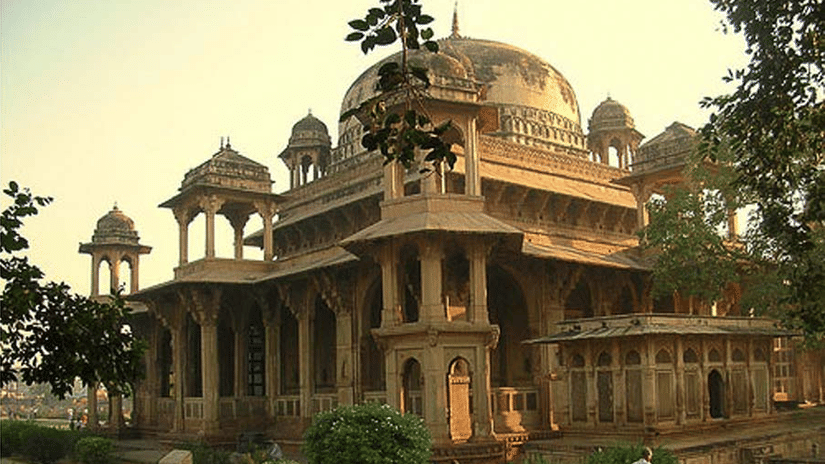
This is the recommended window for first-time visitors and for anyone who wants to cover the full range of Gwalior's sights. Winter in Gwalior runs from October through March, with December and January being the coolest months at 8°C to 23°C. The climb to Man Singh Palace, the Gujari Mahal, and the panoramic views that make Gwalior's hilltop setting so compelling are best explored in these months.
The Tansen Samaroh, held in December at the amphitheatre near Tansen's Tomb in Behat village, is a 4 to 5-day festival of Hindustani classical music that draws audiences and performers from across India. For a brief mention of the broader cultural context of Gwalior, read the Gwalior tourist capital blog.
Best Time to Visit Gwalior Fort
The best time to visit Gwalior Fort specifically is between October and February. Early morning visits between 8:00 AM and 11:00 AM make the most of the cool air and the quality of winter light on the sandstone. The fort generally opens around 8:00 AM, and the sound and light show runs in the evenings (Hindi at 7:30 PM, English at 8:30 PM), making it viable to visit twice in one day during a dedicated stay. For a detailed history and guide to the fort's individual structures, take a look at the Gwalior Fort blog.
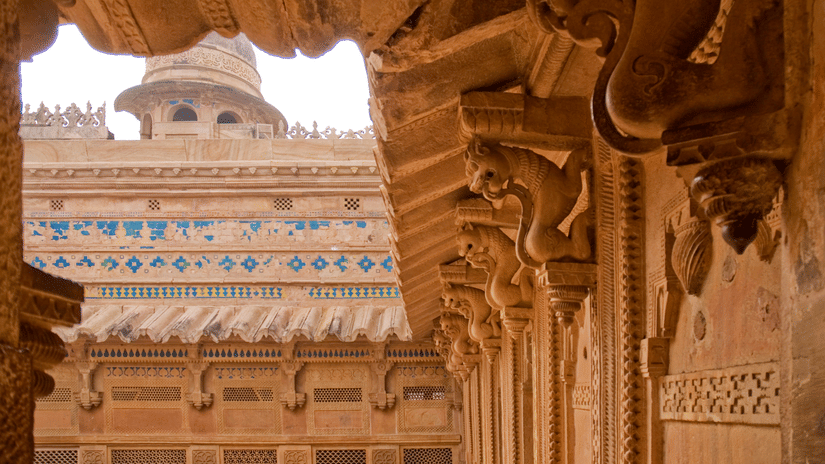
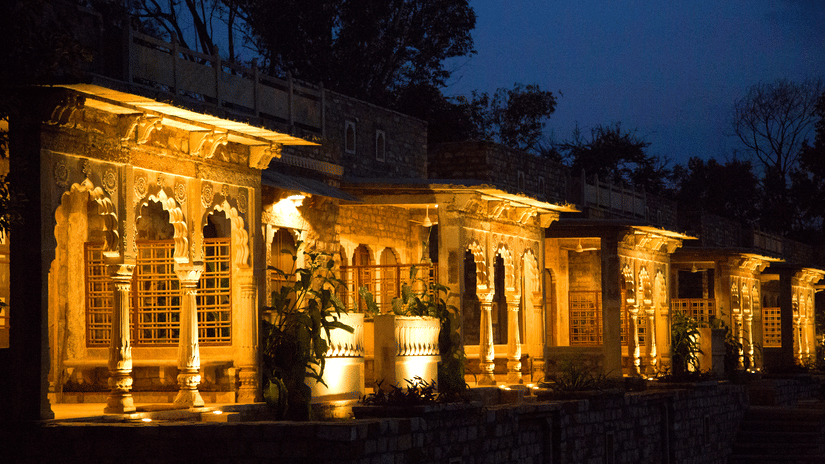
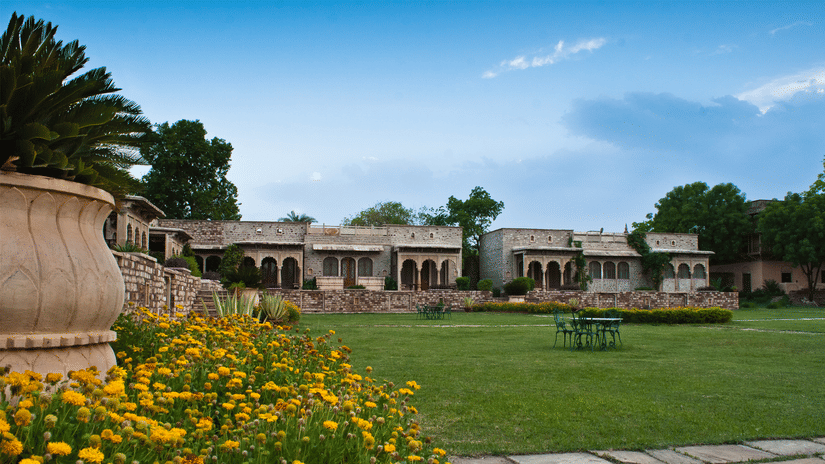
Deo Bagh sits approximately 4 km from Gwalior Fort and 6 km from Gwalior Junction railway station, on the Agra-Mumbai Highway in Bahodapur. We are a 17th-century heritage property with 15 rooms spread across five wings, each named after the historical connections of the Jadhav family of Gwalior.
Within its 17th-century revitalised architecture, the Nau Bagh unfolds with peacocks as its permanent residents, along with 2 Maratha temples, 2 cenotaphs, and a Chhatisdari with 36 arches, which also serves as a setting for bespoke proposals and sit-down dinners for couples or families looking to transform a meal into a memorable experience.
Wake up to a wholesome breakfast or enjoy sunset tea in the expansive gardens, or step out at sunrise with a yoga mat to stretch under open skies, often with peacocks moving quietly through the lawns nearby.
Within its 17th-century revitalised architecture, the Nau Bagh unfolds with peacocks as its permanent residents, along with 2 Maratha temples, 2 cenotaphs, and a Chhatisdari with 36 arches, which also serves as a setting for bespoke proposals and sit-down dinners for couples or families looking to transform a meal into a memorable experience.
Wake up to a wholesome breakfast or enjoy sunset tea in the expansive gardens, or step out at sunrise with a yoga mat to stretch under open skies, often with peacocks moving quietly through the lawns nearby.
Summer settles in early in Gwalior, and when the sun is high, the day naturally draws you back to your private sit-out balconies. There, in the shade, you can read undisturbed, with a glass of nimbu pani prepared by the Neemrana team in a simple local style, offering a quiet, refreshing pause through the scorching heat.
Mingle with the peacocks through the monsoon, as the greens deepen with every shower and the clouds bring a welcome respite from the simmering bungalows and high-rises of the city you have left behind. The day slows into the evening, and you find yourself with a quiet cup of shaam ki chai, watching the rain move across the gardens.
Winter slows everything down. Cool mornings on the verandah, unhurried walks past the temples, and soft evenings around the Chhatisdari make the property feel almost like a hill station.
Mingle with the peacocks through the monsoon, as the greens deepen with every shower and the clouds bring a welcome respite from the simmering bungalows and high-rises of the city you have left behind. The day slows into the evening, and you find yourself with a quiet cup of shaam ki chai, watching the rain move across the gardens.
Winter slows everything down. Cool mornings on the verandah, unhurried walks past the temples, and soft evenings around the Chhatisdari make the property feel almost like a hill station.