- Kochi in Monsoon
- Tranquebar Beach vs Mahabalipuram
- Rajasthani Folk Dance
- Onam Sadya
- Places to Visit near Delhi in Monsoon
- Rajput Architecture
- Summer Vacation Places in Tamil Nadu
- Places to Visit near Bhimtal
- Bhangarh Fort, Alwar
- Dolphin Nose Viewpoint, Coonoor
- Offbeat South India Tourist Places
- Trekking in Nainital
- Holi in Punjab
- Neem Karoli Baba Temple
- New Year Celebration in Alwar
- January Events in Goa
- Best Tourist Spot in Tamil Nadu
- New Year in Kerala
- Shopping in Kochi
- New Year Celebration in Rajasthan
- Christmas in Goa
- Trip from Delhi to Alwar
- New Year Celebration in Goa
- History of Maratha Empire
- New Year in Kochi
- Places of Interest in Gwalior
- Bala Quila, Alwar
- Jet Ski in Goa
- Paradesi Synagogue, Kochi
- Explore Gwalior Fort
- Visiting the Vast History: Kochi Mattancherry Palace
- Heritage Wedding in Rajasthan
- Tourist Attractions in Gwalior
- Hotel in Tijara
- Cabo De Rama Beach
- Matsya Festival
- Trip from Bangalore to Goa
- Tourist Attractions in Patiala You Shouldn't Miss
- Jagannath Mela in Alwar
- Waterfalls in Goa
- Ideal Places for a Short Trip near Delhi
- Hidden Gems in Rajasthan
- Delhi to Sariska National Park: Trip Guide
- Traveller’s Guide to Goa Carnival
- Weekend Trip from Gurgaon
- Trip to Rajasthan with Family
- Delhi to Rishikesh to Nainital
- Delhi to Patiala Tour Guide
- New Year Celebration Near Delhi NCR
- Christmas Celebration in Tijara Fort Palace, Alwar, Rajasthan
- Nainital in the Winter Season
- Sunburn Goa 2024
- Trip to Alwar
- Water Sports in South Goa
- New Year Eve Party in South Goa
- Moosi Maharani Ki Chhatri
- Siliserh Lake
- Must try dishes in Rajasthan
- Best Places to Visit around Jaipur
- Solo Trip to Rajasthan
- Sariska National Park
- Places to visit in Rajasthan in December
- Staycation Near Delhi NCR
- Best Holiday Destinations Near Delhi
- Best Resorts Near Delhi for Family
- Vacations near Delhi
- Goa in Summer Season
- Naina Devi Temple, Nainital
- Best Time to Visit Rishikesh
- Tijara Ji Jain Temple
- Must Visit Historical Sites in South Goa
- Local Food in South Goa
- Traditional Festivals of Rajasthan
- Naina Peak Trek
- Fatehpur Shekhawati
- Activities in Nainital
- Local Food in Tranquebar
- Alwar Famous Food
- Offbeat Places in Nainital
- Offbeat Places in South Goa
- Offbeat Places in Rajasthan
- History of Tharangambadi
- Best time to visit Nainital
- Best Beaches in South Goa
- History of Shekhawati
- The Best Beaches in Tamil Nadu
- Places to Visit in Shekhawati
- New Year Celebration in Nainital
- Weekend Trip in Tamil Nadu
- New Year in Goa
- Nainital Itinerary for 2 Days
- The Best Places to Visit in Patiala
- Places to Visit in Tharangambadi
- South Goa Itinerary for 3 Days
- Tourist Attractions in Alwar
- Kochi 2-day Itinerary
- Things to Do in South Goa
- Places to Visit in Gwalior
- Weekend Getaway from Jaipur
- Best Places to Visit in Alwar
- Best Time to Visit Alwar
- Places to Visit in Alwar
- Best Time to Visit Gwalior
- Literary Connections of Ramgarh: Tagore and Mahadevi Verma
- Exploring the Festivals of Alwar
- Everything You Need to Know About Betul, Goa
- Things to Do in Kochi at Night
- Uttarakhand Itinerary for 7 Days
- Best Time to Visit Kochi
- Visit The Mesmerising Hill Stations in South India
- The Best Places to Visit Near Nainital
- A Weekend Getaway to Ramgarh: Travel Guide
- Explore The Magical Cochin Backwaters
- The Majestic Coonoor to Ooty Toy Train
- The Best Vacation Spots Near Chennai
- Must Visit Places in Kerala
- Destination Wedding in Rajasthan
- Exploring the Orchards in Ramgarh
- Explore the Museums of Tranquebar
- Masilamani Nathar Temple, Tharangambadi
- Things to Do in Kesroli
- Best Places to Visit in South India in January
- Exploring the Tamil Nadu Coastline
- Places to Visit in Gwalior at Night
- Places to visit in Rajasthan in Winter
- Unexplored Treasures of Uttarakhand
- A Visit to Mangalavanam Bird Sanctuary
- Royal Rajasthani Weddings
- Rajasthan Itinerary for 7 days
- Into the Wilderness of Rajasthan’s National Parks
- Explore the Historic Town of Neemrana, Rajasthan
- Enchanting Lakes of Nainital
- A Dive Into the Royal History of Alwar
- Trails and Treks near Nainital
- The Seven Most Frequented Places in Rishikesh
- Kochi: The Queen of the Arabian Sea
- Fairy Queen: The Oldest Working Steam Locomotive
- Forts and Palaces of Alwar
- The Unparalleled Art and Culture of Madhya Pradesh
- Best Beaches To Visit in Cochin
- A Spiritual Journey to the Temples in Alwar
- Handicrafts of Rajasthan
- Places to Eat Street Food in Gwalior
- Wellness Retreats in Rishikesh
- The Danish History of Tranquebar
- Of Mystical Spaces and Hidden Treasures
- Rehabilitating Our Roots in Ruins... A Meet with Mr Aman Nath
- Our Annual Getaway to the Ramgarh Bungalows
- Experience Gwalior The Royal Way With Deo Bagh
- Living it up at a 14th Century Fort
- The Best of Both Worlds - Delhi and Jaipur
- Alwar City - Attractions
- Gwalior - The Tourist Capital
- Drivable Weekend Getaway from Delhi-NCR
- Hiking and Trekking Trails near Jaipur
- Safe Weekend Getaway from Delhi
- Trek Trails from Rishikesh
- Things to do Around Tranquebar Fort
- Majestic Temples of Gwalior
- Tea Plantations of Coonoor
- Fort Stay in Alwar
- Best Places to Visit in Tamil Nadu
- Shopping in Gwalior
- The Chinese Fishing Nets of Kochi
- Exotic Swimming Experiences near Delhi
- Ketty Valley, The Second Largest Gorge in the World
The southwest monsoon reaches Kerala around the first week of June, often earlier than most people expect and almost always more dramatically than they imagine. In Fort Kochi, it announces itself not with gradual drizzle but with a shift in the air, a darkening of the harbour water, and then rain that comes off the Arabian Sea in proper sheets.
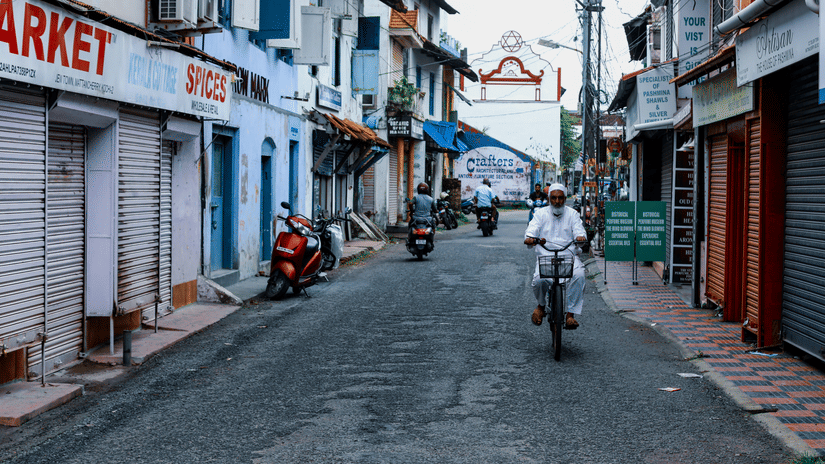
Within a day, the colonial streets around Vasco da Gama Square are slick and gleaming, the Chinese fishing nets have a silhouette you never quite see in photographs, and the cafes on Princess Street are full of people with nowhere else to be. This is Kochi in monsoon: quieter, greener, more itself than at any other time of year.
Fort Kochi When the Rains Arrive
Fort Kochi is a walkable neighbourhood of heritage buildings, most of them between 200 and 400 years old, on a narrow peninsula that juts into the Laccadive Sea. In the dry season, it is beautiful but busy. In the monsoon in Kochi, it becomes something else.
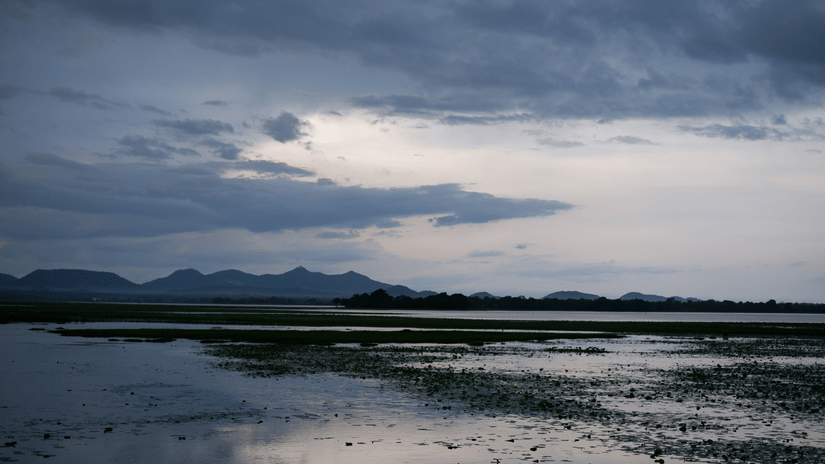
The brick-red laterite buildings deepen in colour when wet. The bougainvillaeas along the older lanes drip. The mist off the harbour sits low enough to soften the distance between the Chinese fishing nets and the waterline.
The Chinese Fishing Nets in Monsoon Light
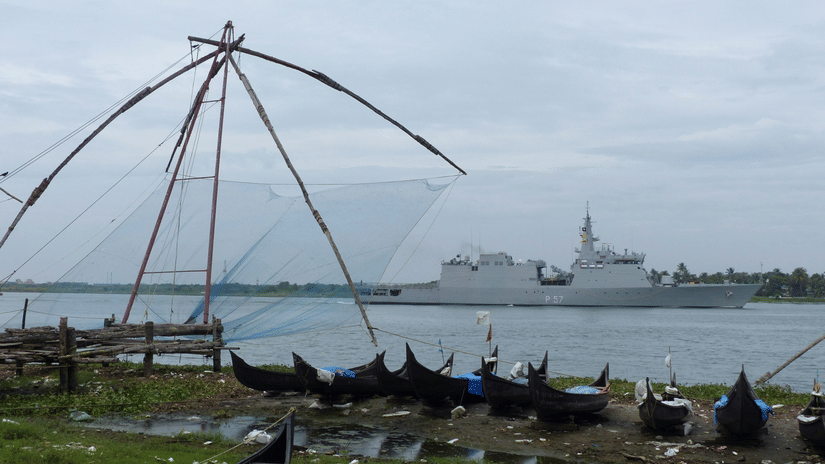
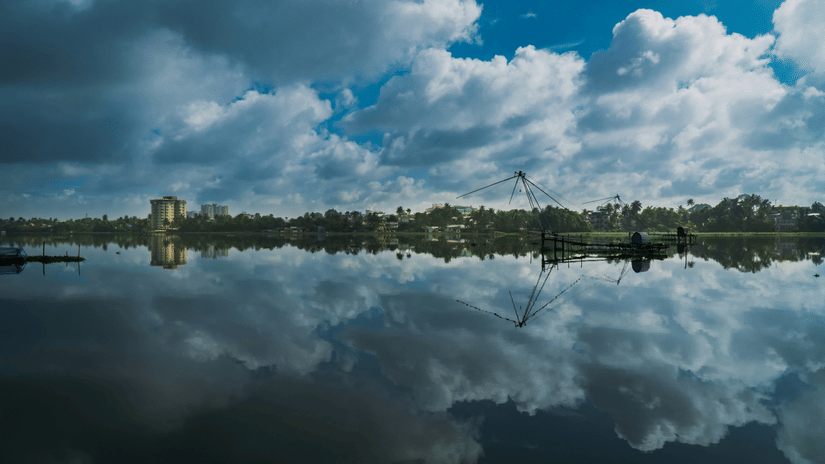
The Chinese fishing nets, arguably Fort Kochi's most photographed feature, are best seen in this season. In winter, they are sharp and clear against a blue sky. In the monsoon, they emerge from grey mist in a way that looks like a 19th-century ink drawing.
The fishermen still work them in the early morning on days when the sea allows it. Watching the net drop and rise from the vantage of the waterfront road, with a glass of chai from one of the adjacent stalls, is one of the more effortless good experiences the city offers.
Heritage Sites: Cool, Covered, and Almost Empty
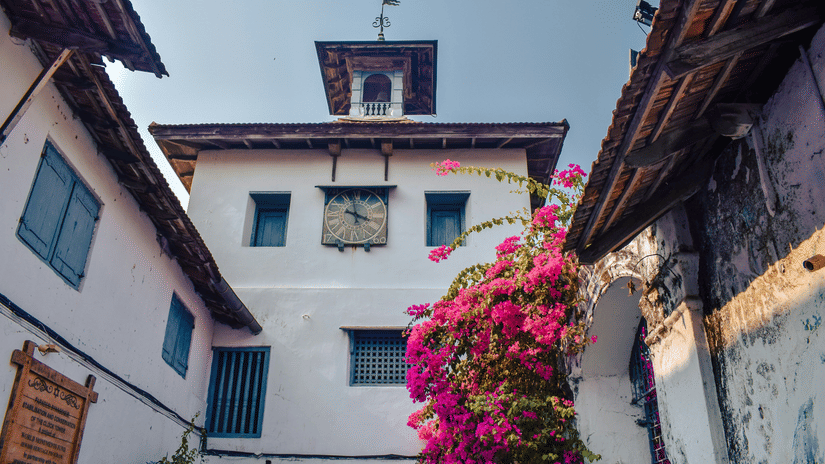
The Portuguese-built St Francis Church, believed to be the oldest European-built church in India, is a 3-minute walk from the harbour. Mattancherry Palace, with its 16th-century Ramayana murals in the bedchamber and separate 18th-century murals in the coronation hall, is around 3 km away. The Paradesi Synagogue at the end of Synagogue Lane in Jew Town, built in 1568, has a floor paved with around 1,100 hand-painted Chinese porcelain tiles brought from Canton in 1762. It is open to visitors most days except Fridays and Saturdays.
None of these places is uncomfortable in the monsoon. The interiors are cool, the crowds are thinner than in December, and the quality of attention you can give each space is considerably higher.
Why Travel to Kerala in Monsoon Has Its Own Logic
Kerala in the monsoon season is a genuinely different proposition from Kerala in the dry season, and not in the way that most cautionary travel advice suggests. Yes, it rains. But Kerala monsoon tourism has a long and well-established tradition precisely because the rains bring things that clear skies do not.
Why Monsoon is Kerala's Most Underrated Travel Window
There are 4 reasons why monsoon is, quietly, the season Kerala regulars prefer. Fort Kochi sits at the centre of all of them.
- Fewer Crowds: December to February sees Fort Kochi's lanes, restaurants, and heritage sites at their busiest. June to September thins this out. The Chinese fishing nets are walkable without weaving through tourists, Mattancherry Palace can be photographed without queuing, and Princess Street cafes have tables to spare.
- Lower Tariffs: Hotel rates across Kerala drop in the monsoon, often by 30% to 50% compared to peak winter. Authorised Ayurveda centres also offer package rates specifically for the Karkidaka Chikitsa window.
- Lush Greenery: The Western Ghats turn an intense, near-fluorescent green in July and August. Backwaters fill out, paddy fields flood, and the contrast against the laterite-red of Fort Kochi's heritage buildings becomes its own reason to visit.
- The Ayurveda Season: Karkidaka Chikitsa, Kerala's traditional monsoon wellness window, is the cultural and medical reason monsoon tourism in Kerala has existed for centuries before it had a name.
Karkidaka Chikitsa: The Ayurveda Season
Karkidaka Chikitsa is the traditional Ayurvedic wellness window that Kerala practitioners have recognised for centuries. The logic is that the monsoon opens the body's pores, the combination of humidity and temperature creates optimal conditions for oil absorption, and the herbs used in treatments are at peak potency in the rainy season.
Authorised Ayurvedic centres across Kerala run specific monsoon programmes, and Fort Kochi has several within or near the neighbourhood.
Fort Kochi: The Gateway to Kerala's Monsoon Season
Monsoon also unlocks the wider state: waterfalls at full flow in Munnar and Wayanad, backwaters that fill and green in Alleppey, a lushness across the Western Ghats that makes the interior of Kerala look like a completely different geography from its January version.
Fort Kochi is the natural gateway to all of this. As the coastal entry point and historical trading hub, it remains the most logical base from which to plan a wider Kerala monsoon itinerary, with the airport an hour away (~37 km) and direct train, bus, and houseboat connections inland from Ernakulam (~11 km).
Things to Do in Fort Kochi During Monsoon
On a rainy day in Fort Kochi, which will happen, the neighbourhood rewards indoor-to-indoor movement more than most places of comparable size.
- Mattancherry Palace in the Rain: In this 16th-century palace, the bedchamber, Palliyara, contains the entire Ramayana narrative across roughly 48 tempera panels painted in the 16th century, while the upstairs coronation hall features 18th-century murals of sleeping Vishnu, Lakshmi on a lotus, and Shiva and Parvati as Ardhanariswara. The ladies' chamber displays 19th-century murals from Kalidasa's Kumarasambhavam, and the laterite walls and dim, lamp-lit interiors take on a distinctive charm in the monsoon as rain falls into the inner courtyard.
- A Walk into Mattancherry's Jewish Quarter: From the palace, a short walk down Synagogue Lane leads you into Jew Town, a tight cluster of antique dealers, spice shops, and Dutch-period buildings. At the far end is the Paradesi Synagogue, the oldest functioning synagogue in the Commonwealth. Its floor is paved with around 1,100 hand-painted blue and white Chinese porcelain tiles, brought from Canton in 1762 by the Jewish merchant Ezekiel Rahabi.
- Kathakali Performances: Several venues in Fort Kochi offer evening Kathakali performances. The 30-minute pre-show makeup demonstration is the part that most visitors find most memorable.
- Princess Street Cafes: Fort Kochi has an excellent neighbourhood cafe culture, concentrated along Princess Street and the surrounding lanes. Rain makes these spaces function exactly as they should.
- Bazaar Road Spice Market: The smell of wet spice stalls and the visual of sacks of black pepper, cardamom, and star anise under shelter from the rain is one of the more sensory experiences Fort Kochi offers.
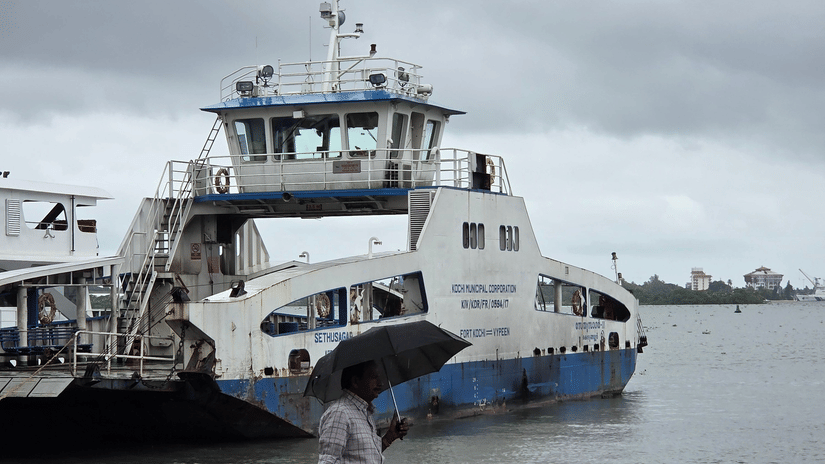
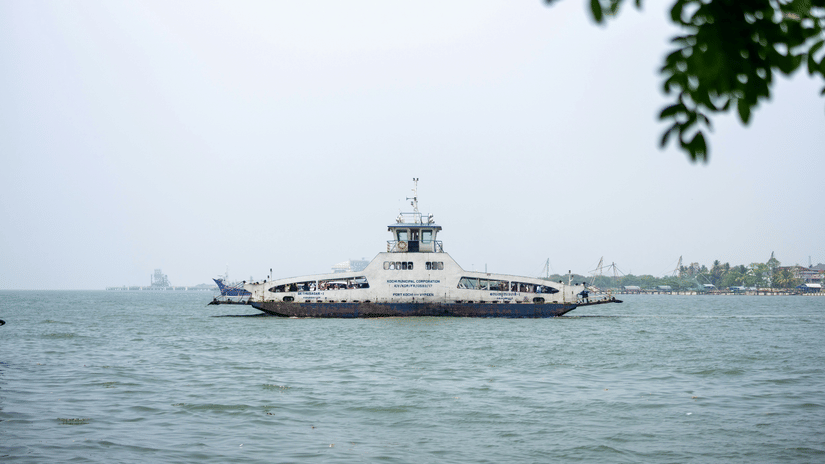
- Ferry to Ernakulam: The public ferry from Fort Kochi Jetty to Ernakulam takes 15 to 20 minutes. On a clear day, it is scenic. In the monsoon, it is theatrical, particularly the last 5 minutes on the open water.
Fort Kochi as a Monsoon Base
Fort Kochi is a neighbourhood where the streets are walkable, the history is dense, and the area has a quality of having been lived in continuously for 500 years that is difficult to find in any comparable heritage district in India.
In the monsoon, this character intensifies. The tourist infrastructure thins out slightly, prices are lower than in December through February, and the city gives you a bit more room to move through it at your own pace.
Stay at The Tower House This Monsoon
A restored 17th-century heritage hotel along the harbour, The Tower House faces the Chinese fishing nets of Fort Kochi and stands on the site of a 17th-century lighthouse, from which it takes its name.
Its thick bastion walls once fired cannonballs across the water, while the scallop-walled twin-house, shaped like a ship, served as a stable and dry dock for boats carried in on the high tide. The sea has retreated from its military purpose, yet traces of that maritime past linger in the property's timeless charm.
Today, our property's historical 17th-century architecture, high ceilings, arched colonial doors, and central location, just a short distance from where renowned international contemporary art exhibitions such as the Kochi-Muziris Biennale are held, make it a rejuvenating monsoon retreat.
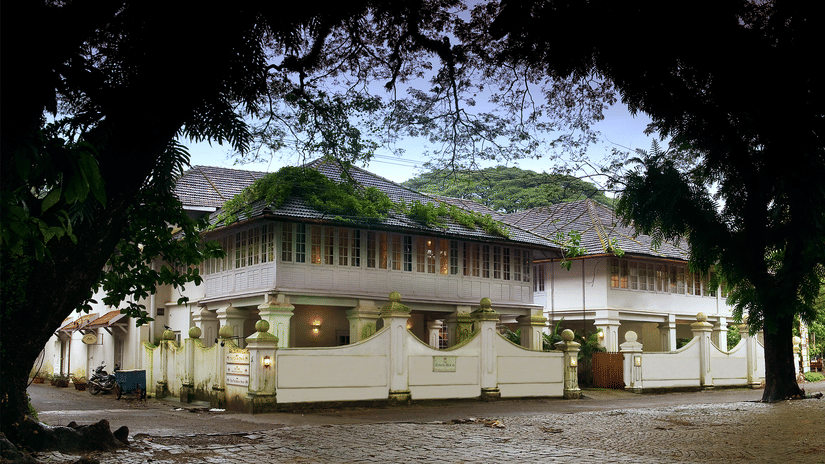
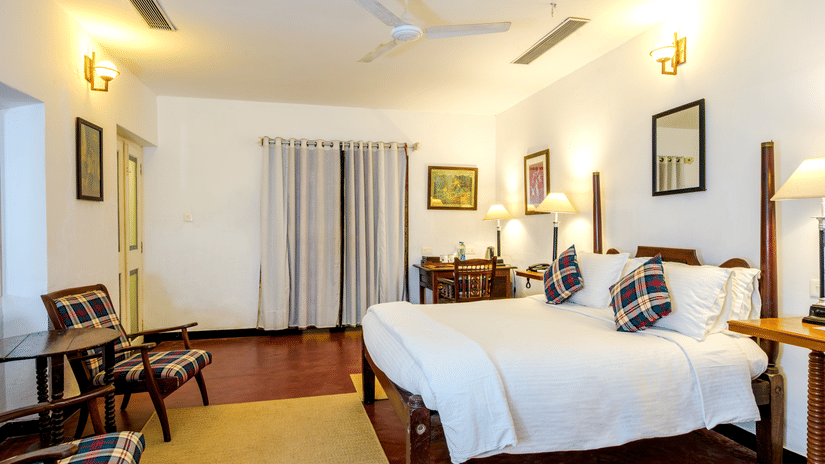
With no two rooms alike, the interiors are handcrafted and revitalised by local craftsmen to evoke the early colonial era, most rooms feature 4-poster beds and period charm. Our restaurant beside the huge swimming pool offers homely South Indian cuisine with select Continental dishes, prepared by the local chefs in the Neemrana kitchen using fresh local produce and regularly sourced seafood and meats.
Night fishing under the lanterns at the iconic Chinese fishing nets is just a 2-minute walk away. Close at hand are the historic St Francis Church and Santa Cruz Basilica, while Mattancherry Palace and the Paradesi Synagogue, a short drive from our hotel, reveal Kochi's rich cultural tapestry from different centuries.
Experience Kochi in the monsoon, when the sky seems to pour into the sea, the palms bend gently to the breeze, and the weather awakens a renewed energy to explore the city's iconic landmarks and experiences.
Walk through Fort Kochi as rain traces centuries-old colonial walls and narrow lanes lead you toward the high tides. Return at sunset to your 17th-century home to replenish yourself with a wholesome meal and a night spent rekindling the days of your monsoon holiday, which travel back with you in your suitcase as cherished Neemrana memories.
FAQs
When does the monsoon arrive in Kerala?
The southwest monsoon typically arrives in Kerala around the first week of June, sometimes in late May. It peaks in July and August, with the heaviest rainfall, and begins to recede in September. The monsoon season in Kerala generally runs from June to September.
Is Kochi good to visit in the monsoon?
Yes, Kochi in monsoon is a rewarding time to visit, particularly for travellers who find the December to February peak season too crowded. The Chinese fishing nets, Mattancherry Palace, Paradesi Synagogue, and the neighbourhood's cafe culture are all accessible and less congested.
What is there to do in Fort Kochi during the monsoon?
Fort Kochi in monsoon is well suited to indoor cultural sightseeing: Mattancherry Palace murals, the Paradesi Synagogue, Kathakali performances, spice market walks, and cafe culture along Princess Street. The Chinese fishing nets are particularly atmospheric in overcast and rainy conditions.
Why is monsoon the best time for Ayurveda in Kerala?
Kerala's traditional Ayurvedic practice designates the monsoon season (approximately June to July) as the optimal time for therapeutic treatments. The combination of high humidity, moderate temperatures, and open pores is held to maximise the absorption of herbal oils.
How far is Fort Kochi from Cochin International Airport?
Cochin International Airport is approximately 37 km from Fort Kochi. The drive typically takes about 1 hour, depending on traffic.
Is Fort Kochi walkable?
Fort Kochi is one of the most walkable heritage neighbourhoods in India. The Chinese fishing nets are directly across the road from our property (2-minute walk), St Francis Church is a 3-minute walk, and Fort Kochi Beach is 8 minutes on foot. Mattancherry Palace and the Paradesi Synagogue are around 3 km away.
Which is the best place to stay when visiting Kochi in monsoon?
The Tower House is one of the best places to stay in Kochi during the monsoon. Our restored 17th-century heritage hotel in Fort Kochi is located opposite the Chinese fishing nets and within walking distance of St Francis Church and Santa Cruz Basilica, making it an ideal base for monsoon sightseeing and heritage experiences.