Santhome, Chennai: A Basilica Built over an Apostle's Tomb
Most visitors pass through Chennai without realising it holds one of the world's most extraordinary Christian sites, one of the true hidden gems in South India. Santhome Cathedral Basilica, in the Mylapore neighbourhood, is traditionally regarded as one of the few churches worldwide built over the tomb of an apostle, St. Thomas.
The Portuguese built the first church over his tomb in the 16th century. The current neo-Gothic structure, with its white spire and stained-glass windows, was built in 1896 and elevated to a minor basilica in 1956 by Pope Pius XII. Open to visitors of all faiths, it serves both as a sacred space and a significant historical monument.
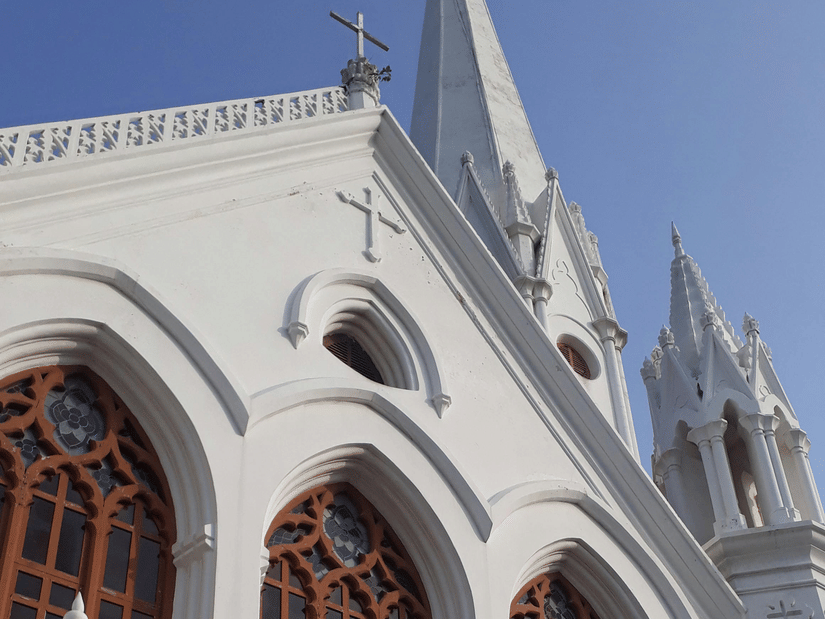
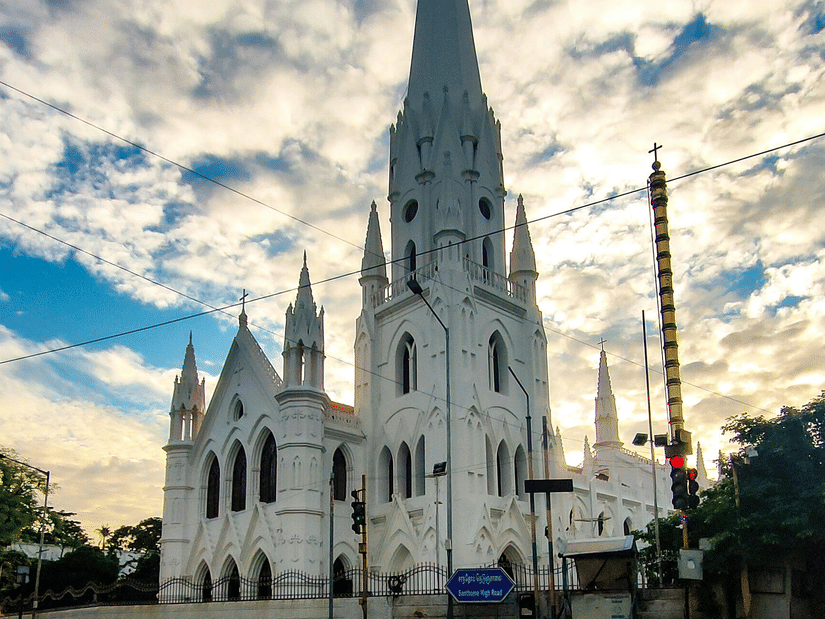
Highlights of Santhome
- The Gothic nave and stained-glass windows depicting biblical scenes
- The underground chapel housing the tomb of St Thomas
- The museum inside the premises displays relics and artefacts
- The Portuguese statue of Our Lady of Mylapore (brought from Lisbon in 1523)
How to Reach Santhome?
- Nearest Airport: Chennai International Airport (~16 km)
- Nearest Railway Station: Chennai Central Railway Station (Puratchi Thalaivar Dr MGR CTL), (~8 km)
- Best Time to Visit: October to February
- Entry: Free
- Timing: 6:00 AM to 9:00 PM
White Town, Puducherry: France on the Coromandel Coast
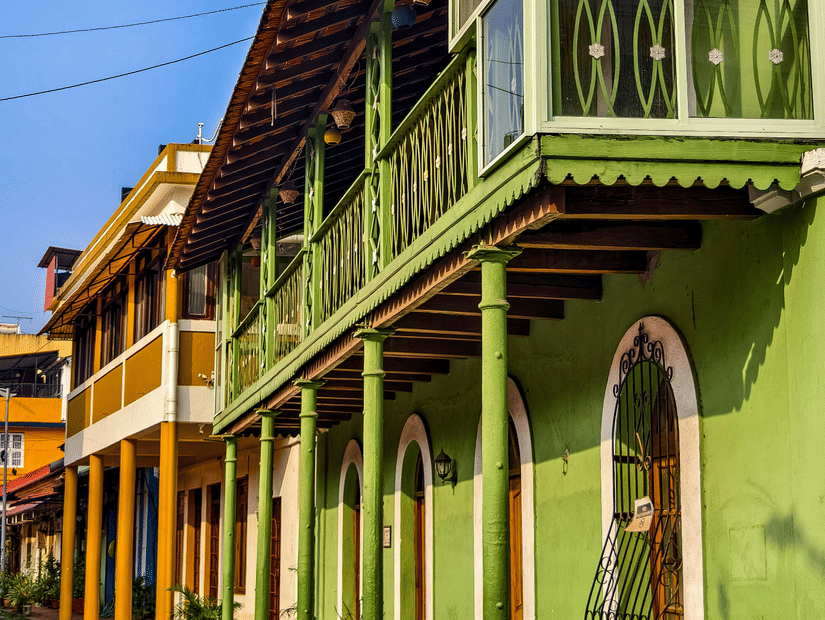
Among all the best places to visit in South India with a colonial past, White Town in Puducherry is perhaps the most immediately striking. Pastel villas, bougainvillaea-draped balconies, French street signs, and cafes serving croissants alongside filter coffee—this is what 280 years of French colonial administration looks like when it lingers gracefully into the present.
The French East India Company established its trading post here in 1674. When France transferred control of its Indian territories in 1954, some long-established residents maintained French citizenship, and ties with France remain culturally significant.
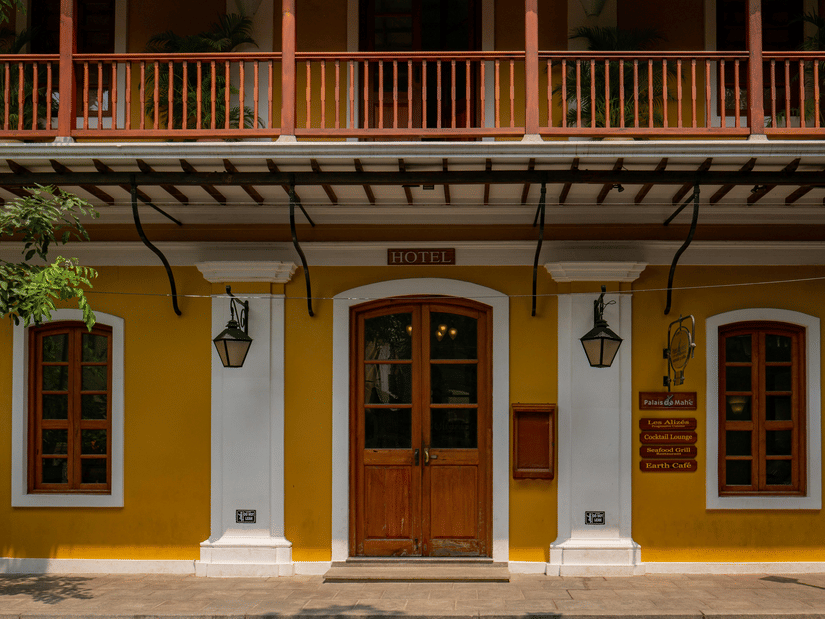
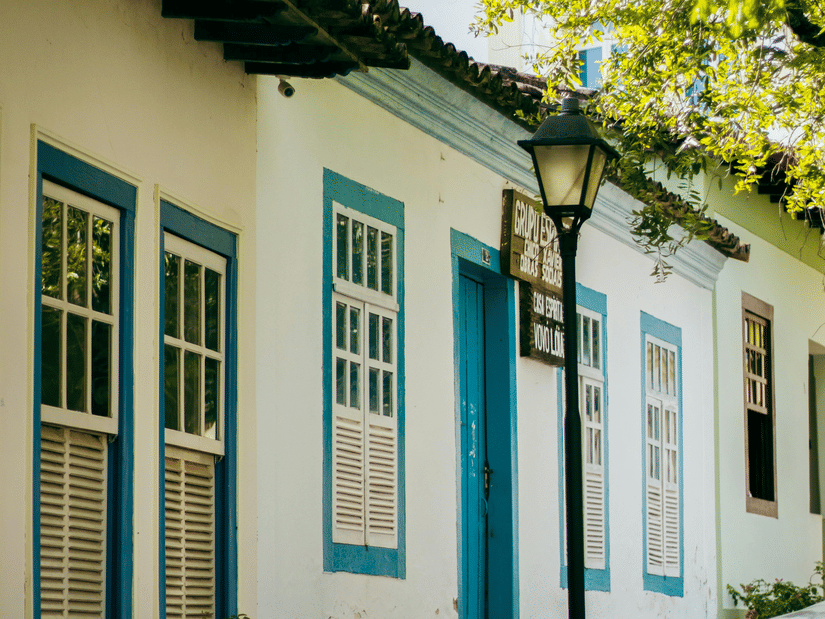
Highlights of White Town (French Quarter)
- Promenade Beach (Rock Beach) Around 1.5 km seafront lined with the Gandhi Statue, French War Memorial and Dupleix Park; vehicles are usually restricted in the evening, making it ideal for a sunset walk.
- Sri Aurobindo Ashram: Founded after Sri Aurobindo’s arrival in 1910, this peaceful monastery welcomes visitors free of charge from 8:00 AM to 12:00 PM and 2:00 PM to 6:00 PM, with limited phone use expected within the premises.
- Our Lady of Angels Church: Built in 1855, this historic church is known for conducting Mass in Tamil, French and English, reflecting Puducherry’s French legacy.
- Auroville: About 15 km from White Town, this experimental township, founded in 1968, is home to the iconic golden Matrimandir meditation centre. It is easily reachable by taxi, auto-rickshaw, or rented scooter.
How to Reach White Town (French Quarter)?
- Nearest Airport: Puducherry Airport (~7 km)
- Nearest Railway Station: Puducherry Railway Station (~1.5 km)
- Best Time to Visit: October to February
Tharangambadi (Tranquebar): India's Forgotten Danish Colony
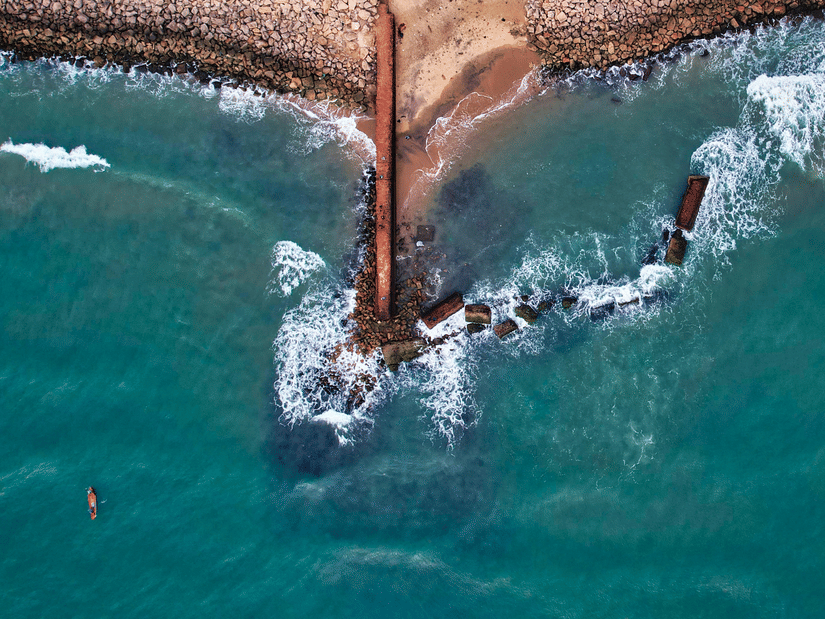
‘Land of the singing waves’, that is what the Tamil name 'Tharangambadi' means. And the name could not be more fitting for this quiet coastal town in Tamil Nadu, one of the most fascinating places to visit in South India, where Denmark ruled for 225 years.
On 19th November 1620, Danish Admiral Ove Gjedde struck a deal with Raghunatha Nayak, the king of Thanjavur, a stretch of Coromandel coastline, in exchange for an annual tribute of INR 3,000. India's most significant Danish colony was born. It thrived until 1845, when it was sold to the British East India Company. What the Danes left behind is extraordinary: European-planned streets, a sea fort, a printing press, and some of India's earliest social reforms.
Highlights of Tharangambadi
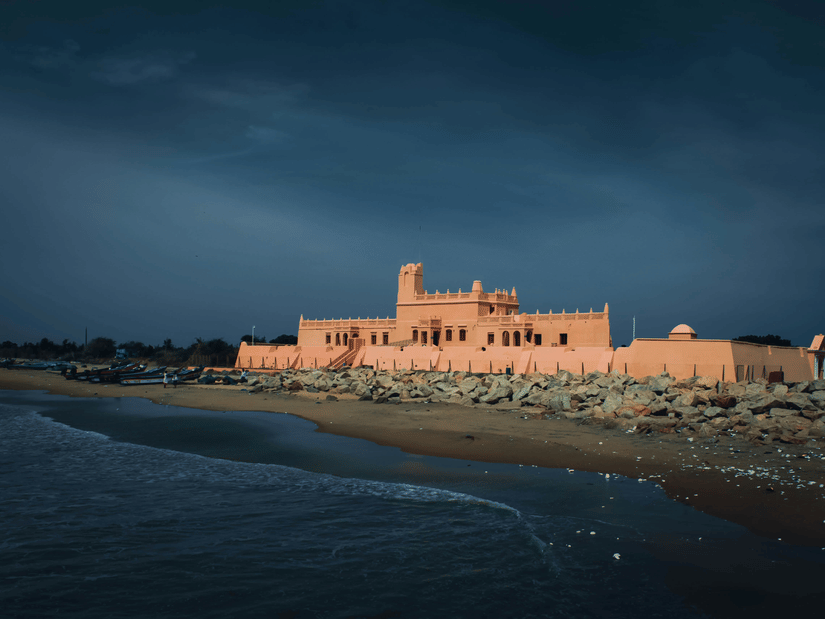
Fort Dansborg: Built in 1620, this is the second-largest Danish fort in the world. It sits right at the edge of the Bay of Bengal.
- Timing: 10:00 AM to 5:00 PM (closed on Fridays)
- Entry fee: INR 5 for Indian citizens and INR 50 for foreigners
- Highlights: India's first Tamil printing press was established here in 1712. It features rooftop ramparts with sea views, a colonial museum, a gold-leaf treaty display, and the Governor's quarters.
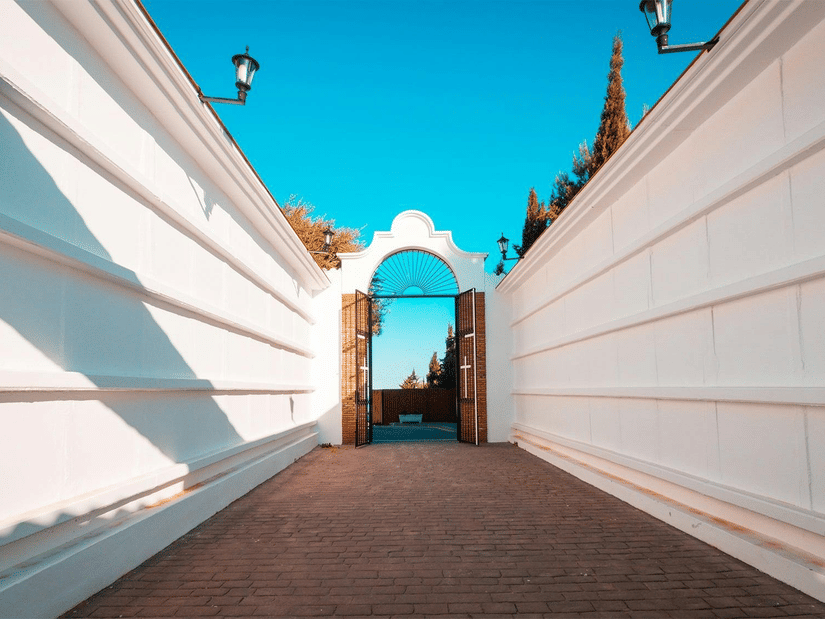
Landporten (Land Gate): A white stone archway built in 1792, bearing the coat of arms and royal insignia of the King of Denmark, the first thing you see when entering Tharangambadi
- Location: King's Street (Kongensgade)
- Highlights: Danish royal coat of arms, 2-century-old stonework, cobblestone approach
- Entry: Free, open access
King's Street (Kongensgade): The spine of Tharangambadi's colonial quarter, retaining much of its original colonial character: low-rise heritage buildings, quiet lanes, and an unhurried pace that feels nothing like the rest of Tamil Nadu. Walk it from the Land Gate to Fort Dansborg, and you get the entire Danish chapter of the town in under 20 minutes.
How to Reach Tharangambadi (Tranquebar)?
- Nearest Airport: Puducherry Airport (~128 km)
- Nearest Railway Station: Mayiladuthurai Junction railway station (~31 km)
- Smoothly Accessible: About 125 km from Puducherry and 285 km from Chennai via the East Coast Road
- Best Time to Visit: September to February
Why These 3 Places Deserve a Spot on Your South India Itinerary
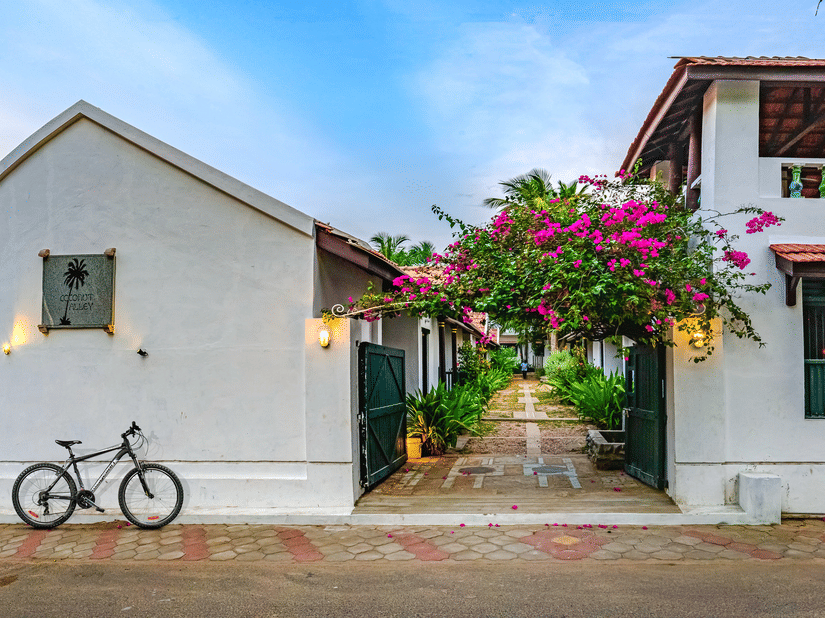
Each of these destinations redefines what an offbeat destination in South India can look like in the truest sense: overlooked, underrated, and completely rewarding. Santhome gives you a piece of early Christianity that the world barely knows about. White Town gives you France, served warm with a South Indian filter coffee. And Tharangambadi gives you Denmark in Tamil Nadu, best experienced slowly, which is exactly what Neemrana's Coconut Alley is built for. Steps from Zion Church, on Rani Street, this 21st-century heritage-inspired stay feels like a natural extension of the town itself.
A Stay Rooted in Place: Neemrana's Coconut Alley, Tranquebar
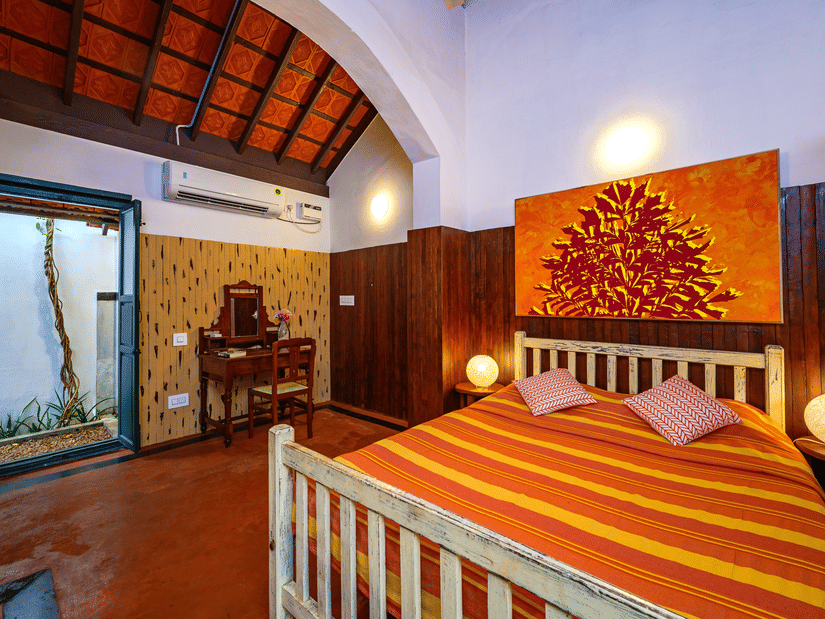
While Tranquebar writes its history around you, Coconut Alley on Rani Street gives you a place to sit with it; a 21st-century Neemrana property where heritage detailing, vintage rooms, and terrace dining meet the easy pace of coastal Tamil Nadu.
- Rooms:Each accommodation blends South Indian architectural charm, vintage touches, and open-air showers with essential modern comforts for an easy seaside stay.
- Dining: Experience terrace dining with the Bay of Bengal stretching out in front of you, with a menu built around local produce and coastal flavours.
- Activities: Guests can enjoy beach walks, boat rides, bird-watching, relaxing by the swimming pool, and a visit to Tranquebar’s historic landmarks nearby.