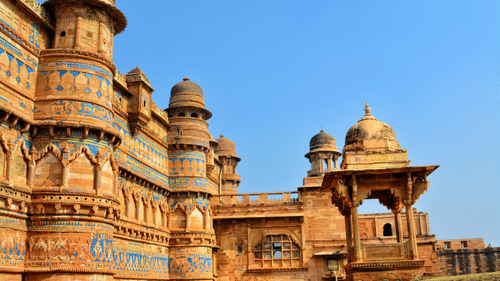
Explore the Iconic Gwalior Fort
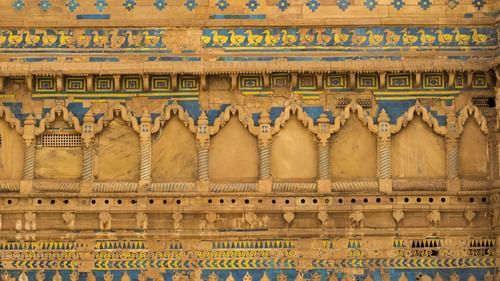
At the heart of Gwalior’s appeal lies the awe-inspiring Gwalior Fort. Perched on a rocky hill, this grand structure has earned the title The Gibraltar of India for its impregnable design and strategic location. With its intricate tilework and lattice windows, the Man Singh Palace inside the fort is a stunning display of Rajput architecture. The Sas Bahu Temples, carved from stone, exhibit remarkable craftsmanship and spiritual ambience, while the enormous Jain rock-cut sculptures, etched into the hillside, add a unique religious depth to the site. As you walk along the ramparts, panoramic views of the city unfold, offering a breathtaking backdrop to this historical marvel.
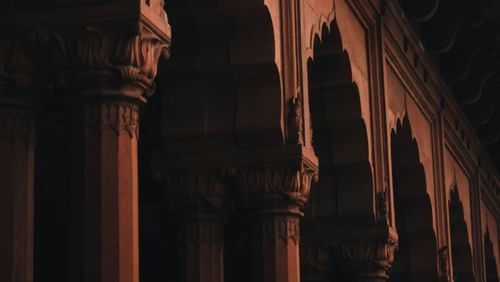
A Spiritual Stop: The Sun Temple
Among the most serene Gwalior tourist places is the Sun Temple, modelled after Odisha’s Konark Sun Temple. Built in red sandstone with gleaming white marble interiors, the temple is dedicated to the Sun God and stands out with its intricate carvings and peaceful atmosphere. It’s an ideal stop for both devotees and travellers drawn to classical Indian temple architecture. The temple’s neat gardens and photo-worthy design make it a popular location for early morning or sunset visits.
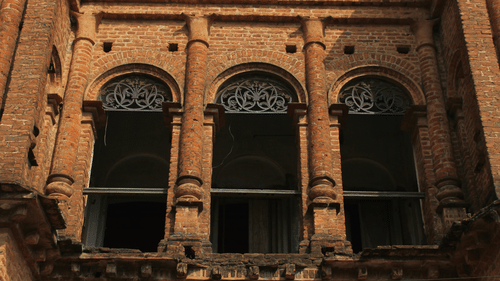
Musical Legacy: Tansen’s Tomb
Gwalior’s contribution to Hindustani classical music is legendary, and Tansen’s Tomb pays tribute to one of its greatest maestros. Tucked within a quiet complex near the tomb of Sufi saint Muhammad Ghaus, this site reflects the city’s deep cultural roots. Every year, the Tansen Music Festival/Tansen Samaroh draws classical musicians and music lovers from around the world, keeping the maestro’s spirit alive. Exploring the area around the tomb gives a glimpse into the artistic soul of Gwalior.
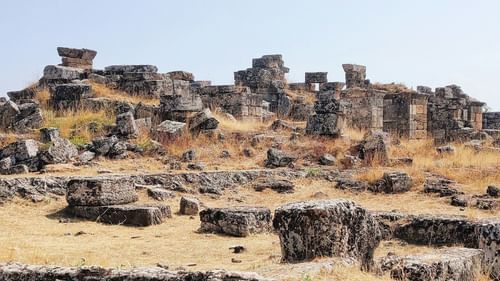
Gujari Mahal Museum: A Heritage Showcase
Built by Raja Man Singh for his queen, Mrignayani, the former palace of the Gujari Mahal Museum is a treasure trove for art and history lovers. Now converted into a museum, it houses a remarkable collection of sculptures and ancient artefacts. The palace itself is an architectural delight, with traces of royal life visible in its arched doorways and open courtyards.
Hidden Gems & Local Markets
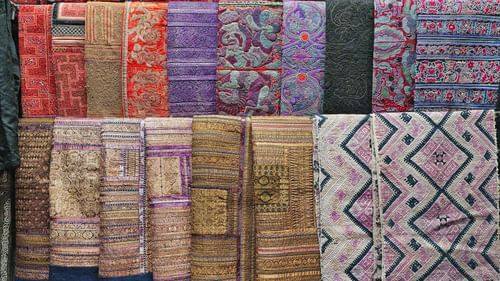
Beyond the famous landmarks, Gwalior hides several offbeat gems. Visit Gopachal Parvat to witness more Jain rock carvings nestled into the hillside. Stroll through the Italian Garden, a quiet park that offers a peaceful break from sightseeing. For a taste of local life, head to Patankar Bazaar, where vibrant stalls brim with handicrafts, handwoven textiles, stone carvings, and delicious street food. These local experiences are what make Gwalior sightseeing truly immersive.
Travel Tips for Gwalior Visitors
The best time to visit Gwalior is between October and March, when the weather is pleasant and conducive to outdoor activities. The city is well-connected by train (via Gwalior Junction), road (NH44), and air (Rajmata Vijaya Raje Scindia Airport). You can cover the major attractions comfortably with a 1-2 day stay. Local commute is easy with auto-rickshaws, taxis, and ride-hailing services. For first-time travellers, hiring a local guide at the fort can enhance your experience.
Where to Stay: Deo Bagh – A Heritage Haven
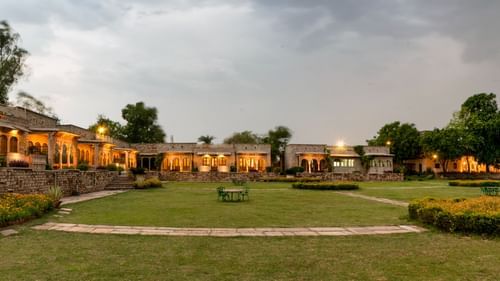
For a truly enriching experience, Deo Bagh by Neemrana Hotels offers a charming 17th-century stay that complements the city’s regal character. This boutique property, surrounded by peaceful gardens and steeped in history, provides a serene base for exploring Gwalior's tourist attractions. Guests can choose from tastefully appointed rooms that feature traditional decor, heritage architecture, and modern comforts. The lush gardens, a multi-cuisine restaurant, tranquil courtyards, and personalised hospitality elevate the experience, making Deo Bagh a favourite among culture-conscious travellers.