Matsya Utsav
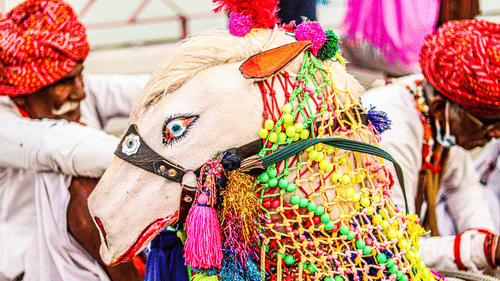
Held annually in November, the Matsya Utsav in the Alwar region of Rajasthan stands as a vibrant celebration of the area's rich culture, traditions, and heritage. This grand cultural festival, considered one of the most prominent in the region, unfolds over two to four days, showcasing Alwar's diverse traditions through colourful processions, spirited folk performances by local artists, and a variety of sporting events. The festival also features art exhibitions highlighting the region's artistic talents. Set against the stunning backdrop of Alwar's historic forts, palaces, and lakes, the Matsya Utsav offers a captivating experience. Visitors can enjoy traditional Shehnai recitals, witness the unique 'Rassa Kasi' tug-of-war played by women, and partake in water sports at the renowned Siliserh Lake.
Teej Festival
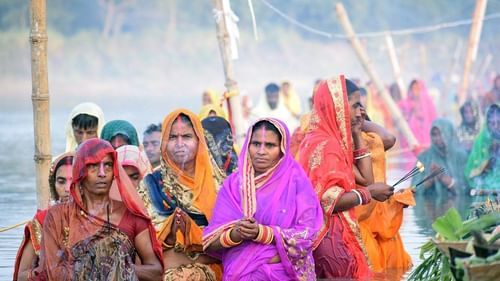
Teej is one of the main festivals of Rajasthan, a vibrant monsoon celebration dedicated to women, celebrated with particular grandeur and enthusiasm in the region. The festival encompasses two main events, Hariyali Teej and Kajari Teej. Hariyali Teej, occurring in the month of Shravan, celebrates the reunion of Goddess Parvati with Lord Shiva. Women dress in vibrant green, symbolising new beginnings, and participate in the swinging ceremony, singing traditional folk songs while swaying on swings tied to trees. In contrast, Kajari Teej, observed in the month of Bhadrapada, is marked with greater solemnity. Women fast strictly for the well-being of their husbands and sing soulful "Kajri" songs, adding a unique charm to the festivities. Throughout the Teej celebrations, the air is filled with the enticing aroma of Ghevar, a traditional sweet dish prepared during the festival.
Sheetla Mata Fair
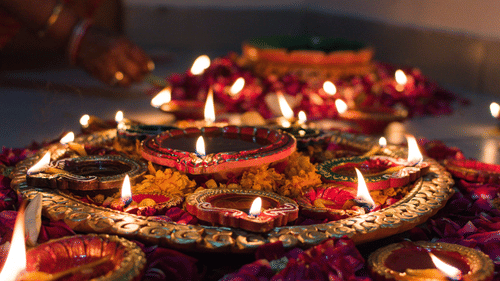
The Sheetla Mata Fair is an annual highlight in Rajasthan, dedicated to Sheetla Mata, the revered goddess believed to guard against diseases and epidemics. This vibrant one day event draws devotees from across the region to the sacred shrine located on the Doongri hillock. The shrine, featuring a striking red stone idol of the goddess, becomes a focal point for prayers and offerings of fruits, flowers, sweets, and donations for protection from illnesses.In addition to its religious importance, the Sheetla Mata Fair boasts a bustling temporary market. Here, local villagers showcase a diverse array of goods, from clothing, footwear, and utensils to agricultural tools and mouthwatering regional delicacies. On certain occasions, the fair even includes a cattle exhibition, adding to the festive atmosphere.
Pushkar Fair
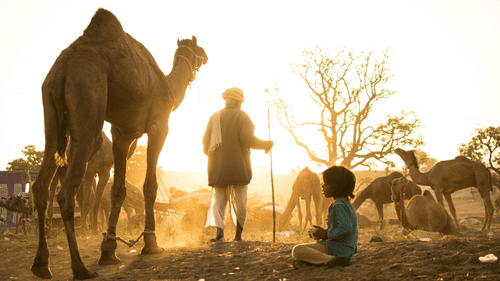
The Pushkar Fair is one of the biggest festivals of Rajasthan, drawing thousands of traders and visitors from across India and beyond. Held annually between October and November, the fair aligns with the Kartik Purnima in the Hindu calendar. While historically a trading hub for camels, horses and cattle, the fair has evolved into a vibrant cultural and commercial extravaganza, attracting over 200,000 attendees. The fairgrounds near Pushkar Lake transform into a vivid spectacle of colours and activity. Beyond its commercial aspects, the Pushkar Fair offers a rich sensory experience. Attendees can enjoy thrilling camel races, participate in unique contests like the "longest moustache" and "matka phod", and immerse themselves in captivating folk dances. The atmosphere is electrified by traditional music, colourful decorations and an infectious festive spirit that pervades the entire fairgrounds.
Mewar Festival
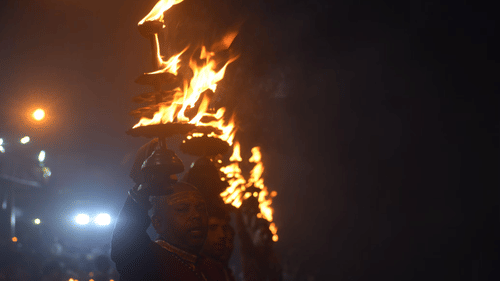
The Mewar Festival in Udaipur welcomes the spring season with traditional fervour. As the festival approaches, Udaipur's streets are adorned with colourful decorations and festive lights, creating a lively and joyful atmosphere. Held alongside the Gangaur festival, the Mewar Festival is particularly important for the women of Rajasthan. During this time, they dress in their finest attire and take an active part in the festivities. A key feature of the celebration is a procession with beautifully adorned idols of Gangaur (Goddess Parvati) and Isar (Lord Shiva). This procession leads to the Gangaur Ghat on Lake Pichola, where the idols are worshipped and offered water.