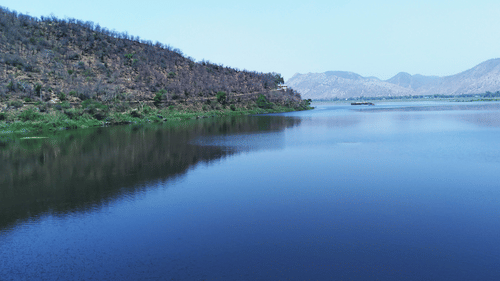
Why Alwar in Monsoon Outplays a Crowded Hill Station
Alwar in monsoon offers a destination roughly the same distance as the other popular places from Delhi, sometimes closer, with almost little to no traffic.
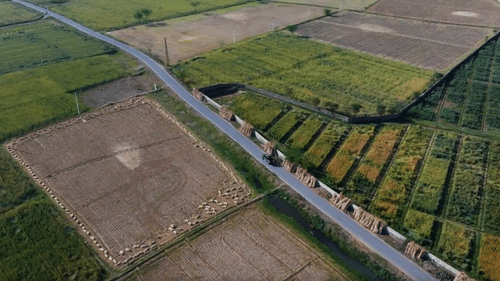
The route via NH 248A crosses Haryana farmland and enters Rajasthan's eastern edge without the mountain-road complexity that adds hours to Himalayan trips. There are no switchbacks and no altitude sickness. What changes in Alwar is subtler: the Aravalli Hills fill in, the air lightens, and the landscape around the fort town shifts from scrubland to something properly lush.
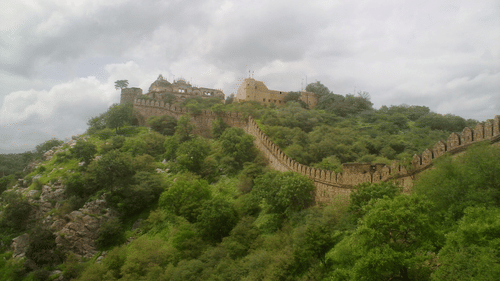
The Aravalli Range is geologically over 2 billion years old, older than the Himalayan chain by nearly 2 billion years, and it wears the monsoon differently from younger mountain systems. These are not dramatic peaks that cloud over spectacularly; they are low, ancient ridgelines that absorb rain quietly and release it slowly.
By mid-July, the rocks darken, thin seasonal streams cross the roads, and the scrub between the boulders turns green in a matter of days. The plateau around Kesroli holds a different quality of light in this season. The hills do not announce themselves; they simply change, and then the change is everywhere: in the smell of wet stone, the sound of frogs after dusk, and the fort walls slick with humidity after a heavy night.
By mid-July, the rocks darken, thin seasonal streams cross the roads, and the scrub between the boulders turns green in a matter of days. The plateau around Kesroli holds a different quality of light in this season. The hills do not announce themselves; they simply change, and then the change is everywhere: in the smell of wet stone, the sound of frogs after dusk, and the fort walls slick with humidity after a heavy night.

Sariska Tiger Reserve
Spread across a total area of 1,203 sq. km in the Aravalli hills, 881 sq. km core zone and 322 sq. km buffer, Sariska Tiger Reserve is home to tigers, leopards, hyenas, sambar, chital, nilgai, and one of the largest Rhesus Macaque populations in the region. The monsoon is not the best time for tiger sightings: the dense forest cover makes visibility difficult.
It is, however, when the reserve is most atmospheric: deciduous forest thickens rapidly, seasonal streams run across the safari tracks, and bird activity expands noticeably. One of the unique places to visit in Rajasthan in monsoon, Sariska holds the distinction of being the first reserve in the world to successfully relocate tigers after local extinction, with reintroductions from Ranthambore completed in 2008. Safari access continues during parts of the monsoon; confirm zone availability with the forest office before visiting.
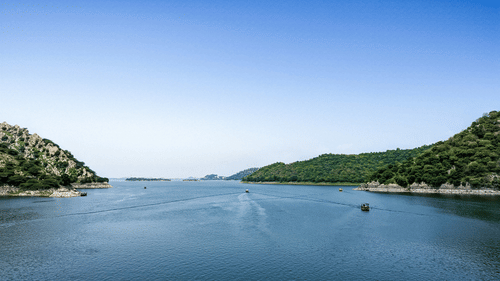
Siliserh Lake
Built in 1845 on the orders of Maharaja Vinay Singh, around 26 km from Alwar city, Siliserh Lake spreads across around 7 sq. km of the Aravalli hillside. The lake was designed as Alwar's water supply and sits on a tributary of the Ruparel River. In the monsoon, the water level rises visibly, the Aravalli backdrop turns a consistent green, and the lake's surface carries a different quality of light than at any other time of year.
The 19th-century Siliserh Palace on the lakeside adds history to what is otherwise a clean, quiet afternoon. Activities include boating and birdwatching, with migratory birds beginning to arrive through August. In December 2025, Siliserh was designated a Ramsar Wetland, a recognition of the site's ecological significance.
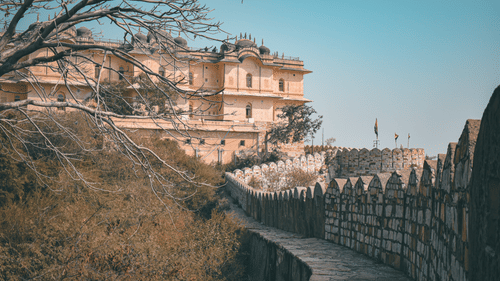
Bala Qila
Perched 300 m above the city on an Aravalli ridge, Bala Qila, meaning 'the young fort', is the oldest standing structure in Alwar. Built on the foundations of an earlier mud fort and fortified by Hasan Khan Mewati in 1550 CE, it extends roughly 5 km from north to south and 1.5 km from east to west, with 6 entrance gates and 15 large towers.
Mughal emperors Babur and Akbar both made stays here, and Prince Salim, later Emperor Jahangir, was exiled within its walls by Akbar. In the monsoon, the approach through the Aravalli forest changes the visit: the path darkens, the old stone walls hold moisture, and the views from the ramparts over a greening Alwar valley are among the most rewarding in the region.
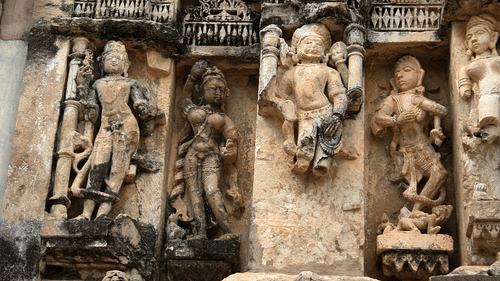
Neelkanth Temples
Dedicated to Lord Shiva and situated near Sariska National Park, the Neelkanth Temples were built between the 6th and 9th centuries by Maharajadhiraja Mathanadeva. The complex is noted for intricate stone sculptures in the tradition of Khajuraho, and draws visitors for both its religious significance and its craftsmanship.
In the monsoon, the forest surrounding the temples transforms the approach: the road in is cooler and considerably quieter, the tree cover thickens, and the stone takes on a different colour where the rain settles on it. Fewer visitors make the detour in July and August, which gives the site a stillness that is hard to find at temples of this significance during any other season.
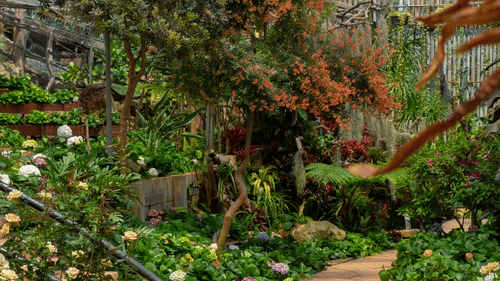
Company Bagh
Laid out in 1868 under Maharaja Shiv Dan Singh, Company Bagh, also known as Purjan Vihar, sits at the centre of Alwar city, adjacent to the City Palace. The garden's chief architectural draw is Shimla House, a 19th-century summer pavilion with a Bengali-roofed chhatri and a domed vault, named for how consistently cooler its interior runs compared to the surrounding streets.
In the monsoon, the garden becomes a genuine pleasure: the old lamp posts hold their character in the wet air, the lawns stay green without effort, and the long promenade is cooler and less dusty than at any other time of year. Entry is free, and a short visit fits naturally into a day of fort and lake touring.
Before You Leave Delhi
- Distance and Time: approximately 171 km from central Delhi to Alwar via NH 248A. Expect around 3 hours under normal traffic conditions, and closer to 4 hours on heavy rain days near the highway.
- Best Months: July, August, and September. August brings the fullest Aravalli green and the highest water level at Siliserh Lake. July is slightly drier at the start of the season; September sees the monsoon beginning to thin.
- What to Carry: A light waterproof jacket, insect repellent, sturdy walking shoes, and a waterproof sleeve or dry bag for phones and cameras. The terrain around Sariska and Bala Qila involves uneven ground.
- Road Conditions: NH 248A is in generally good condition year-round. The village approach roads near Kesroli may have short patchy stretches after heavy rain.
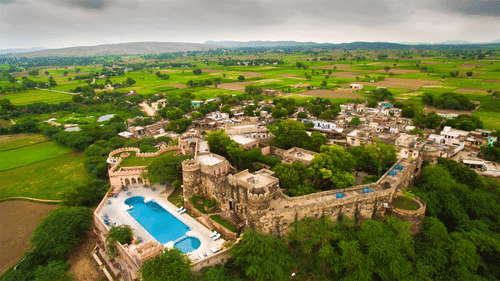
Hill Fort-Kesroli sits approximately 10 km north-east of Alwar city on the old Jaipur road, in a pastoral setting that makes particular sense in the monsoon. Our 7-turreted Hill Fort is a 14th-century structure built on ancient Hornstone Breccia rock, restored in 1995 and open to guests since 1998, with architecture original enough for film directors and warm enough for a 2-night stay.
Our pool terrace at the back of the Hill Fort overlooks the countryside that changes completely once the rains arrive. Our spa runs yoga, meditation, and a range of treatments; weekends at the fort bring Rajasthani folk dance performances; and our poolside restaurant serves North Indian cuisine with outdoor dining alongside the pool. For a monsoon stay in Alwar, our fort makes a second night feel like the obvious decision rather than an indulgence. Explore our rooms at Hill Fort-Kesroli and plan your monsoon visit.
Our pool terrace at the back of the Hill Fort overlooks the countryside that changes completely once the rains arrive. Our spa runs yoga, meditation, and a range of treatments; weekends at the fort bring Rajasthani folk dance performances; and our poolside restaurant serves North Indian cuisine with outdoor dining alongside the pool. For a monsoon stay in Alwar, our fort makes a second night feel like the obvious decision rather than an indulgence. Explore our rooms at Hill Fort-Kesroli and plan your monsoon visit.